
العمل الإبداعي
مخلوقات رائعة تحت سطح البحر - مصور تحت الماء بييترو فورميس
البحر هو كنز حقيقي من المخلوقات الرائعة. والبحر الأبيض المتوسط ليس مختلفًا - التنوع البيولوجي المعروض لا يمكن إلا أن يثير الإعجاب ويجب حمايته. يغوص بييترو فورميس عميقًا تحت سطح الماء لالتقاط جمال وأسرار العالم تحت الماء في صور ساحرة.
أخبرنا عن التصوير الفوتوغرافي تحت الماء - من أين نشأ شغفك به؟
شاركت في أول دورة غوص لي منذ أكثر من عشر سنوات. أراد والدي الحصول على رخصة الغوص، لذا فقد كنت برفقته. لقد غير ذلك حياتي تمامًا. بدأت في التقاط الصور بعد أقل من عام، بمجرد أن اعتدت على الماء والغوص، ولم أستطع الاكتفاء منه. ثم بدأت في الذهاب في رحلات غوص إلى البحر الأحمر وجنوب شرق آسيا بشكل متكرر، وتطور شغفي ببطء إلى مهنة. الآن، أقوم بتنظيم ورش عمل في المواقع التي تعرفت عليها عندما بدأت الغوص. أذهب للغوص في البحر الأبيض المتوسط طوال العام، وخاصة في ليغوريا في إيطاليا، إنه بمثابة بيت ثانٍ لي.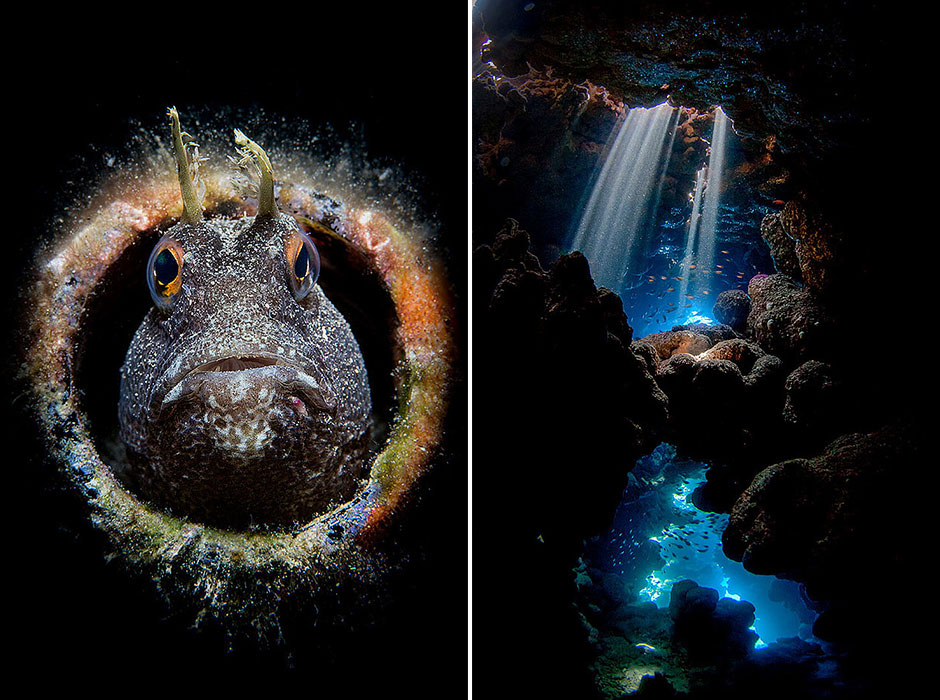
هل تقوم بالتصوير تحت الماء فقط؟
لا يقتصر الأمر على ما هو تحت الماء، فأنا أحب الطبيعة وأشعر بالسعادة أيضًا عند التقاط صور للحياة على الأرض الجافة. لكن أعظم شغفي هو وسيظل دائمًا العالم الذي يكمن تحت السطح.
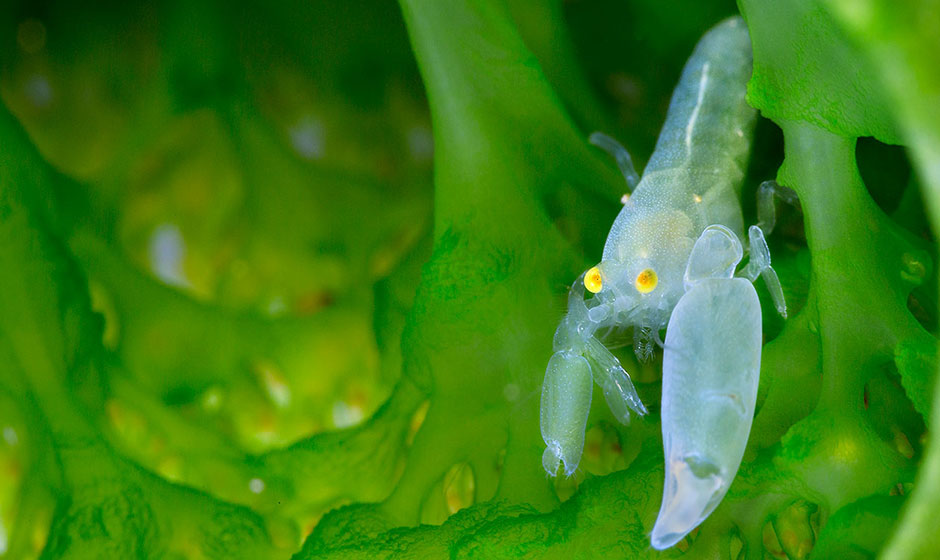
تم اصطياد هذه الروبيان المسدس، التي يقل حجمها عن سنتيمتر واحد، في قنديل البحر الأخضر، وهو حيوان أنبوبي يشبه الإسفنج، يعيش فيه الروبيان عادة.
هل يمكن العثور على العجائب الغارقة في صورك فقط في الجنة الاستوائية أم أن البحر الأبيض المتوسط يحتوي أيضًا على بعض المفاجآت الخاصة به؟
|
The Mediterranean Sea has no reason at all to hide behind tropical seas – it’s full of absolutely magnificent surprises. The temperate climate and the different seasons ensure you’ll have an unbelievably diverse range of encounters all year round. For example, in the colder months when the sea is rough, you can catch glimpses of monkfish, John Dory or Nudibranchs sporting the most incredible colors. In the summer, when the water is clearer, you can dive between schools of mackerel, barracuda or bream and experience the living symphony of color on the seabed first hand – its warm tones form a beautiful contrast against the blue of the sea. |
|
How does someone get involved in underwater photography?
People almost always start with diving. It’s mostly diving enthusiasts who want to try out a new way of taking photos. They want to take photos of their trips and dives back home with them that do the beauty they discovered down in the depths justice. Your first encounter might be while your snorkeling – you actually don’t always have to go scuba diving with gas cylinders to shoot underwater.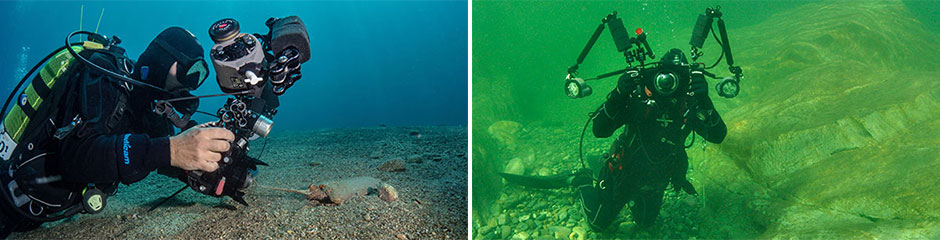
Why is this genre of photography important?
This type of photography causes anyone who’s enthusiastic about it to develop a greater sensitivity to the creatures they photograph and a greater respect for the marine habitat. You become more aware of the biodiversity and you want to make sure all of that beauty and purity stays that way. It’s becoming increasingly more difficult to capture the miracle of our oceans and it requires a lot of commitment. That’s why I decided to also show what shouldn’t be there, such as the image of the plastic bag that looks like a jellyfish. We have to be more honest with ourselves about the consequences of our everyday behavior.
What are the typical mistakes that photographers with less experience make?
The first mistake is generally not getting close enough to the subject. Another problem is shooting from above and almost ‘pushing’ the subject into the background in front of rocks or coral, where the subject becomes basically invisible. It’s very important to pay attention to the background and to try and highlight and appreciate the subject, instead of deflecting the viewer’s gaze and attention away from it. Concentration also plays a big part: You can quickly forget the basic principles of photography during the first few dives in particular because you’re so busy dealing with the dive itself.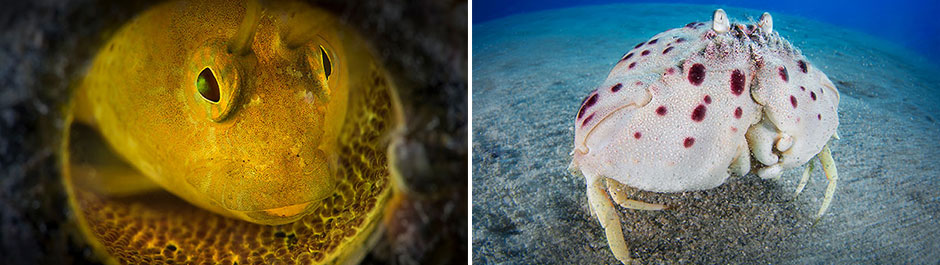
Did you start with basic equipment or do you need professional technology right from the very beginning?
Everything developed little by little. My first camera was a full-on classic compact camera with polycarbonate protective housing that I bought for a few hundred euros. After that, I bought myself an underwater flash, that was an absolute necessity. Then, when the time came to really increase the quality, I switched to more sophisticated systems and got myself the appropriate equipment: a good single-lens reflex camera, a fisheye lens and a couple of good flashes. You can easily spend tens of thousands of euros on a full professional setup.
What equipment do you use now?
I have a Canon 5D Mark III with aluminum housing from Nauticam. In terms of lenses for shooting underwater, I use a Sigma 15 mm Fisheye, a Tokina 10–17 Fisheye that I use with a 1.4x teleconverter, a 100 mm L Macro from Canon, other underwater lenses with dioptre and a Canon 17–40. And I work with graphics monitors from EIZO, a hugely important partner in the world digital imagery.
How did you hear about EIZO?
A participant on one of my courses introduced me to Roberta Scalisi, Product and Marketing Manager at EIZO Italy. I’ve known about the company for a long time, after all, it’s the first name that springs to mind when you talk about the highest quality of photography monitors. So, that introduction resulted in a collaboration in which I offer workshops on underwater photography and can benefit from the outstanding quality of the monitors from EIZO as part of it. The next workshop is all about the post-production of images taken underwater. The aim is to provide the participants with information that is useful for both beginners and well-versed users.
Do you post-process your images?
Yes, of course, but I don’t like to overdo it. My aim is always to depict nature the way it is. This type of photography throws up tiny blemishes or imperfections that need to be corrected, for example the dominant blue tones caused by the water quality or color deviations. The post-production process is about adjusting the lighting and the contrast, eliminating unsightly particles that blur the image – even if it sometimes isn’t at all necessary – and optimizing the sharpness of details.
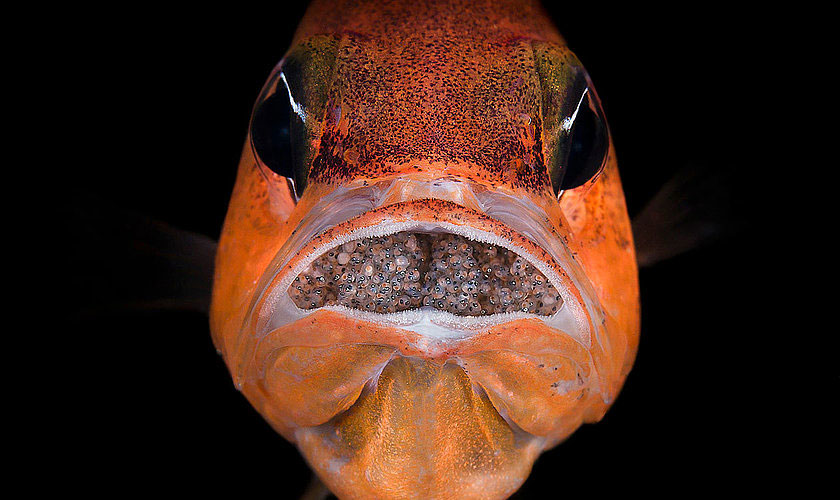
من الصعب وضع التصوير تحت الماء في فئة واحدة فقط حيث أن هناك العديد من الأنواع المختلفة - وكلها لها جوانبها الفنية الخاصة، من التصوير بزاوية واسعة إلى الصور الشخصية إلى التصوير الكلي.
للحصول على تفاصيل تقنية: ما هي الخطوات التي تتضمنها مرحلة ما بعد الإنتاج؟
تمر صوري تحت الماء بعملية مجربة ومختبرة. أولاً، يتم تطوير ملف RAW باستخدام Lightroom: القص، وضبط التعريض العام، ومطابقة الألوان، وتقليل العناصر المهيمنة، وضبط تباين الضوء، والظلال، ودرجات اللونين الأبيض والأسود، وضبط انحرافات الألوان وتصحيح العدسات. في هذه المرحلة، يمكنك أيضًا إجراء تعديلات إعدادية صغيرة مختارة إذا أردت. الخطوة الثانية هي تحرير الصورة في Photoshop. إذا كان هناك أي خدوش أو بقع على العدسة، فيمكنك إزالتها مع الجزيئات التي تشوش الصورة؛ يمكنك التركيز على التفاصيل وإجراء تعديلات نهائية مختلفة. بعد ذلك، يتم تصدير الملف عبر Lightroom.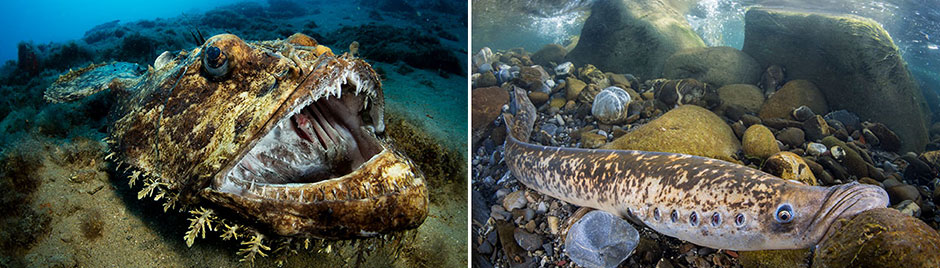
ما هي خططك المستقبلية؟
سأنشر أول كتاب صور فوتوغرافية لي هذا العام. وغني عن القول إنه مخصص للمياه.
فيديو
نبذة عن بييترو فورميس
|
|
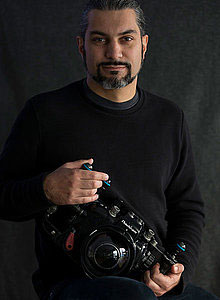 ولد بييترو فورميس في ميلانو بإيطاليا عام 1978 ودرس التصميم المرئي. في عام 2008، بدأ في ممارسة التصوير الفوتوغرافي تحت الماء. وقد تحول هذا الشغف الآن إلى هوس تقريبًا، حيث يسافر فورميس إلى الجنة الاستوائية ويغوص في البحر الأبيض المتوسط الرائع ويستكشف مناطق المياه العذبة بحثًا عن صور جديدة لالتقاطها. نُشرت العديد من صوره في المجلات على مر السنين، بما في ذلك SUB (إيطاليا)، وLa Rivista della Natura (إيطاليا)، وOcean Geographic (أستراليا)، وUnterwasser (ألمانيا)، وNaturphoto (ألمانيا)، وRolling Stone Italia (إيطاليا). تم تكريم فورميس بجوائز دولية متعددة في مجال التصوير الفوتوغرافي تحت الماء، مثل مصور العام تحت الماء (UPY)، ومصور العام الأوروبي (GDT)، وAsferico، وOcean Geographic، وOcean Art. يقود ورش عمل في إيطاليا والخارج وينظم رحلات تصوير. يعمل فورميس بالتعاون مع EIZO منذ عام 2018 ويعتمد على شاشات ColorEdge لمعالجة صوره بعد التصوير.