
العمل الإبداعي
مصور الرياضات المغامرة مايكل كلارك
يستخدم مصور الرياضات المغامر مايكل كلارك شاشات EIZO ColorEdge منذ سنوات عديدة. وهو دقيق للغاية في اختيار الألوان ومعالجة الصور بعد التقاطها حتى يمكن إعادة إنتاج صوره بشكل جيد. تحدثنا مع السيد كلارك حول عمليته وتجربته مع شاشات ColorEdge.
ما الذي تراه مهمًا عند إنشاء عملك؟
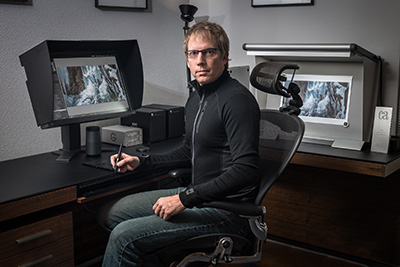 في هذا العصر، لكي تكون من بين أفضل المصورين في العالم، عليك أن تُصاغ صورك في الميدان بعناية واهتمام بالتفاصيل، وأن تكون مثالية وأن يتضمن سير عملك الرقمي نظام إدارة ألوان عالي الجودة. بصفتي مصورًا محترفًا، أشعر بالرغبة في تعلم كل ما أستطيع عن هذه الحرفة باستمرار، بما في ذلك كيفية عمل أفضل المطبوعات الفنية حتى يعرف عملائي عندما يحصلون على الصور النهائية أنها ستُعاد إنتاجها بشكل جيد بأي وسيلة يختارونها.
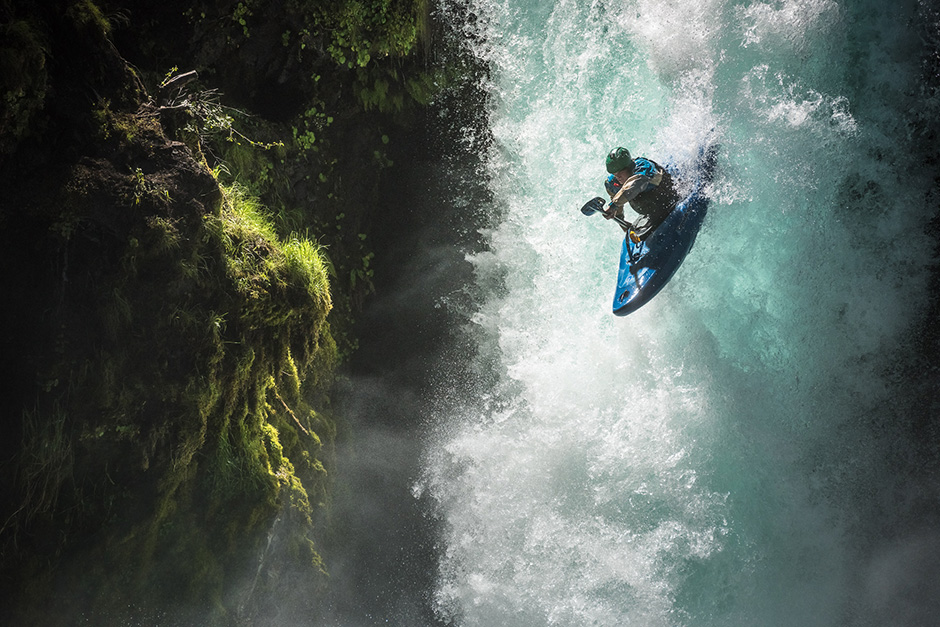
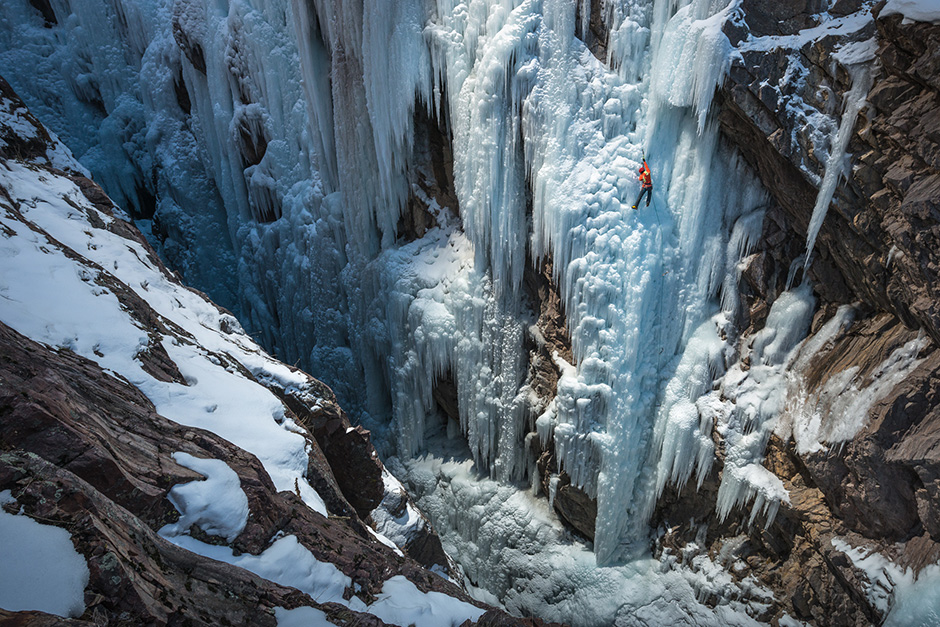
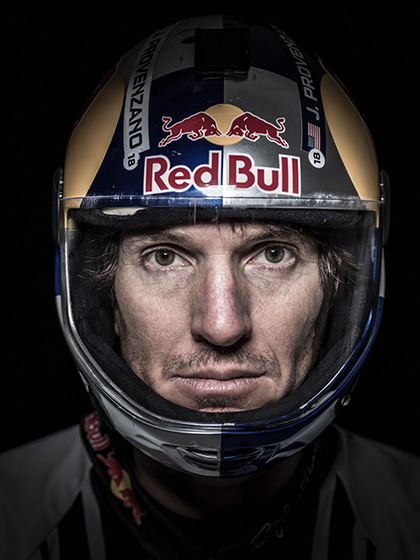
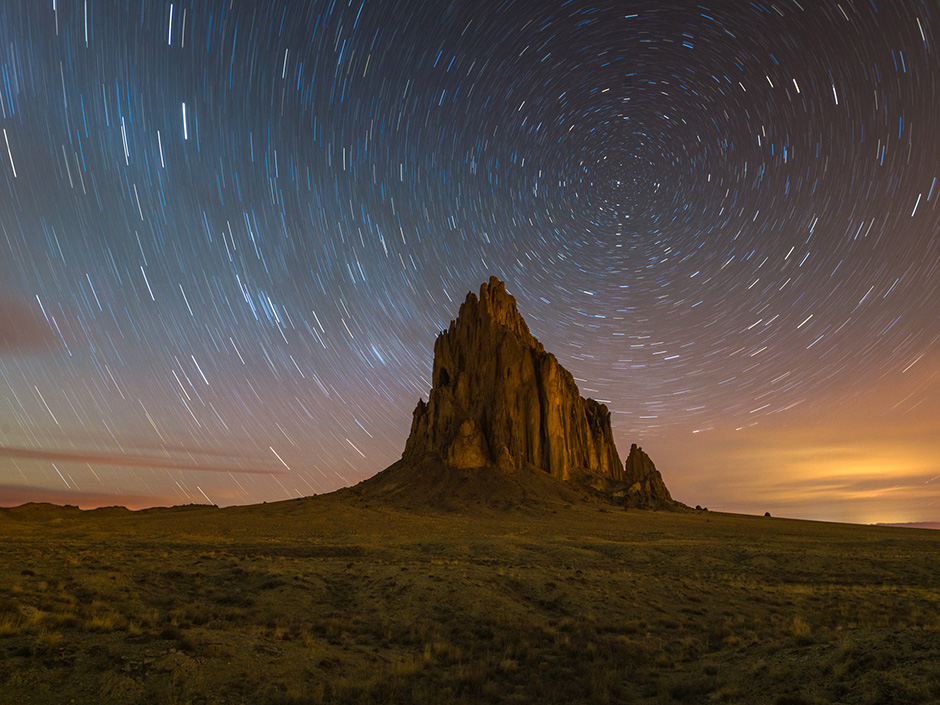
باختصار، كل شيء مهم. من المهم للغاية بالنسبة لي أن ألتقط اللحظة الدقيقة التي تظهر فيها قوة الرياضيين، الذين يخاطرون بأنفسهم بشكل كبير للمساعدة في إنشاء الصورة. عندما يتعلق الأمر بالصور الشخصية أو المناظر الطبيعية، من المهم أن ألتقط الشخص بدراما وأناقة والمناظر الطبيعية في أفضل إضاءة ممكنة. أستخدم كاميرات رقمية متطورة وأختار أجهزة استشعار عالية الدقة حتى أتمكن من عمل مطبوعات فنية ضخمة.
إن طريقتي في هذا المجال استراتيجية. فأنا أعمل مع العديد من أفضل الرياضيين المغامرين في العالم، ونعمل معًا بجدية شديدة لالتقاط مهاراتهم وفنهم بشكل أساسي. وكثيرًا ما يكون المشهد مهمًا بقدر أهمية الرياضي نفسه. ومن ثم، فإن إيجاد المسرح المناسب للرياضي للتصرف فيه أمر بالغ الأهمية أيضًا. ويتلخص هدفي في نقل شعور المشاهد بما قد يشعر به هذا الرياضي. وأريد أن يشعر المشاهد بالتعرض والدراما والمخاطرة التي يخوضها هذا الرياضي.
عند العمل على الصور الخام في مرحلة ما بعد الإنتاج، من الأهمية بمكان أن يكون لدي شاشة وبيئة مكتبية تسمح لي بمعالجة صوري بشكل مثالي. الشاشة هي مفتاح الصورة. إذا لم تتمكن من إظهار الألوان الدقيقة، فإن كل العمل الذي أقوم به على الصورة سيكون بلا قيمة. بالإضافة إلى ذلك، فإن إضاءة مساحة العمل والإعداد العام للمكتب يؤثران أيضًا على الصورة النهائية. أخيرًا، قبل شحن الصور النهائية إلى العميل، أقوم عادةً بعمل بضع مطبوعات هنا في مكتبي للتأكد من أن الصور ستُعاد إنتاجها بشكل جيد في الطباعة أو في أي وسيلة أخرى يختارها العميل. المطبوعة هي الدليل النهائي للصورة وتؤكد لي أن ما أراه على الشاشة هو ما سيراه العميل في حملته الإعلانية.
ما هي تجربتك مع ColorEdge؟
In the early days of digital, I struggled with color and post-processing my images. I found it very difficult to get my digital images to look as good or better then they did with film. Of course, I progressed very rapidly on the post-processing front and drastically improved not only the color in my images but also my post-processing. But, at some point I realized that it wasn’t just my skill that was the issue.
When my first published book came out and the printer flubbed the cover image, printing the slide film image with a stark green colorcast, I got serious about color management in a way I hadn’t before. I had always calibrated and profiled my monitors using the available hardware, but I started exploring the entire color management chain and how that affected the final image. I dialed in my office to ISO 9000 standards for color management. I painted my office walls with 18% gray paint and adjusted the lighting very accurately with daylight-balanced bulbs.
In this process of dialing in my color management to a much higher degree I also investigated the best possible monitors. I quickly found out that my monitor, a very well known brand, was not anywhere near as accurate as it really needed to be. My research led me to the EIZO ColorEdge monitors. A decade ago, when I purchased my first EIZO, and it is still the case now, the ColorEdge monitors were state of the art when it comes to color accuracy. As soon as I got my first ColorEdge monitor I realized how incredible it was. I was seeing colors in my images I had never seen before. The full Adobe RGB color gamut allowed me to see all of the colors in my images – and my prints were coming out nearly identical to my display, which certainly was not the case with the old monitor.
In addition to color accuracy, the ColorEdge displays are uniform from edge-to-edge and are individually tuned at the factory insuring that the monitor is accurate across the entire display. This allows me to dodge and burn my images with confidence knowing that the monitor is giving me an extremely accurate view of my images. The ColorNavigator software built into the display also allows me to accurately calibrate the display to a higher level than any other device I have seen.
My experience with the ColorEdge monitors has shown me that the monitor you use to work up your images is just as important, if not more important, than the camera or lens you use to create the image. In the end, the color and tonality of the final image is affected more by the quality of the monitor than by the camera or the lens. Hence, in workshops and seminars, I highly recommend that photographers invest in a top-notch ColorEdge monitor.
You can see more of Michael’s work on his website at www.michaelclarkphoto.com.
Other links:
انستجرام: @michaelclarkphoto فيسبوك: www.facebook.com/michaelclarkphotography تويتر: www.twitter.com/michaeljayclark جوجل بلس: plus.google.com/u/0/+MichaelClarkPhotography لينكد إن: www.linkedin.com/in/michaelclarkphotography