
دراسات الحالة
بيت التعديل
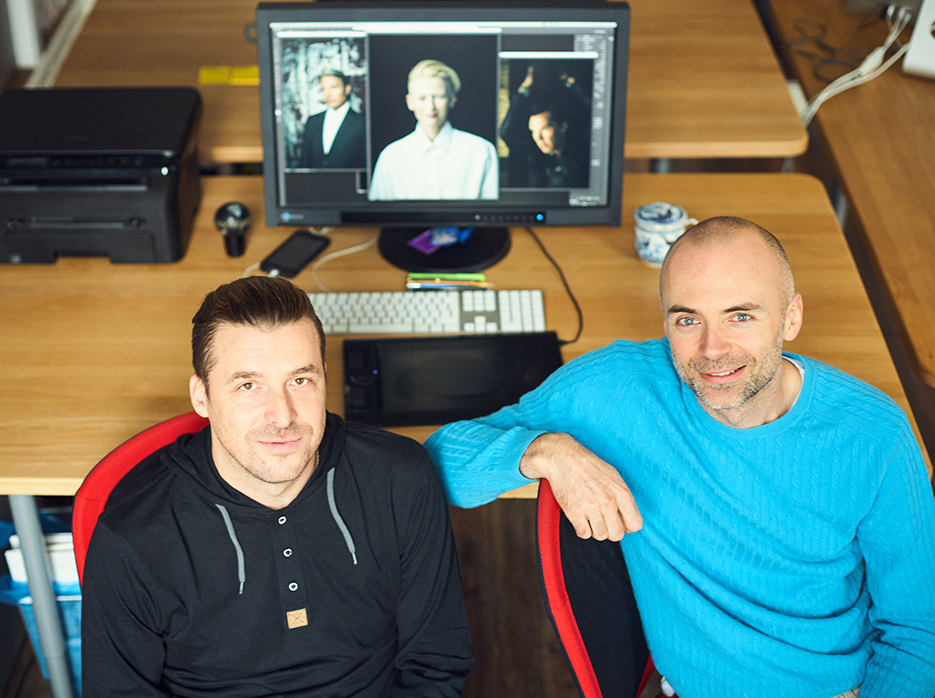
يعد House of Retouching أشهر استوديو لمرحلة ما بعد الإنتاج في بولندا. وعلى مدار السنوات، تعاون مع عملاء مرموقين مثل Vogue وDisney وWarner Brothers. أنشأ المؤسسان المشاركان Tomasz Kozakiewicz وKrzysztof Gadomski مساحة إبداعية فريدة قررا مؤخرًا فتحها لكل من يرغب في تعلم أسرار حرفتهما.
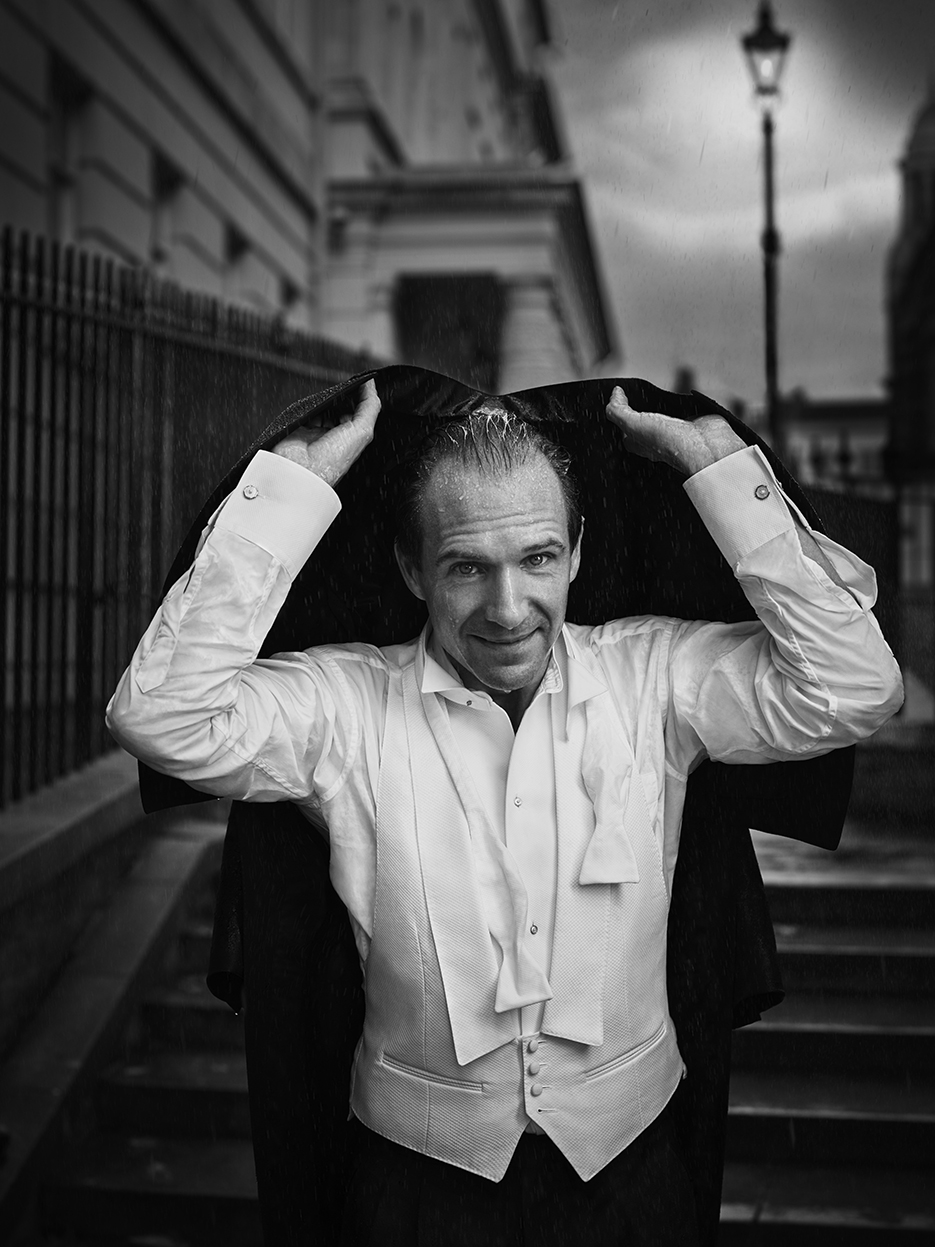
هل يمكنك مشاركة قصتك معنا؟ لماذا التعديل بدلاً من التصوير الفوتوغرافي؟
توماس: كنا نعمل في مجال الإعلان، ولكن في تخصصات مختلفة. كان كريستوف خبيرًا في مجال الكمبيوتر والبرمجة، بينما كنت أعرف الكثير عن تقنيات التصوير والبرمجيات. اخترنا التعديل لأنه كان مزيجًا مثاليًا من شغفنا. وبفضل خلفياتنا المختلفة، نكمل بعضنا البعض بشكل جيد. فبينما يشعر أحدنا بأنه خارج نطاقه، يشعر الآخر بالثقة والعكس صحيح. فكما يقولون، رأسان أفضل من رأس واحد.
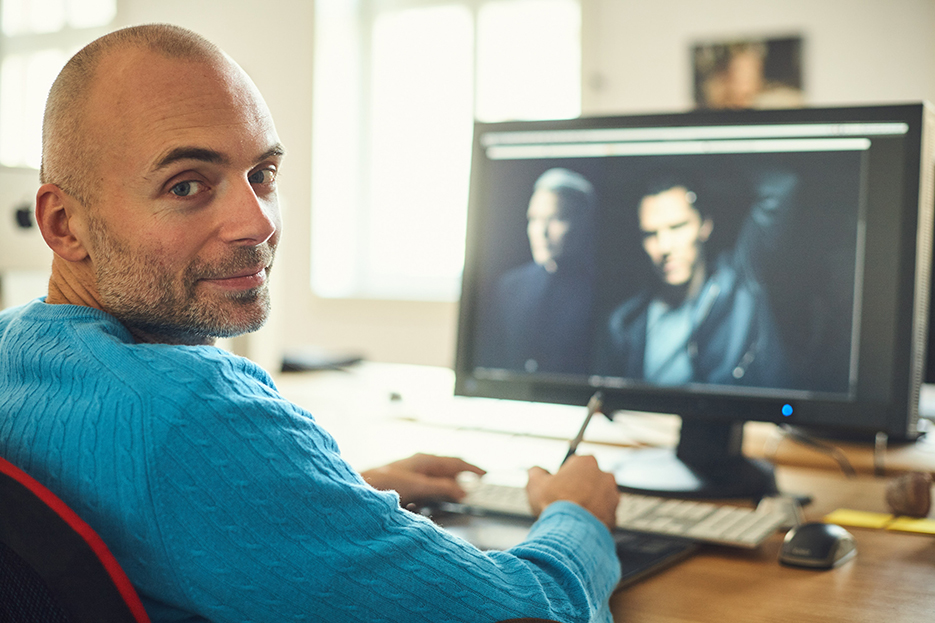
كريستوف: كان التصوير الفوتوغرافي دائمًا هواية توماس، ولكن عندما قررنا افتتاح الاستوديو، كان علينا أن نلتقي في منتصف الطريق ونبحث عن طريقة لجعل مواهبنا تعمل معًا. بالتأكيد، لو كنا مصورين، فربما كنا أكثر شهرة. يعمل منتجو ما بعد الإنتاج بعيدًا عن الأضواء، لكن وظيفتهم لا تزال تترك مجالًا كبيرًا للإبداع. في عصر التصوير الرقمي، أصبحت عملية تنقيح الصور مهمة تقريبًا مثل التقاطها. في بعض الأحيان، تنتهي الصور إلى تعديلات كبيرة للغاية، لدرجة أننا يمكننا اعتبار أنفسنا مؤلفين مشاركين في المنتج النهائي.
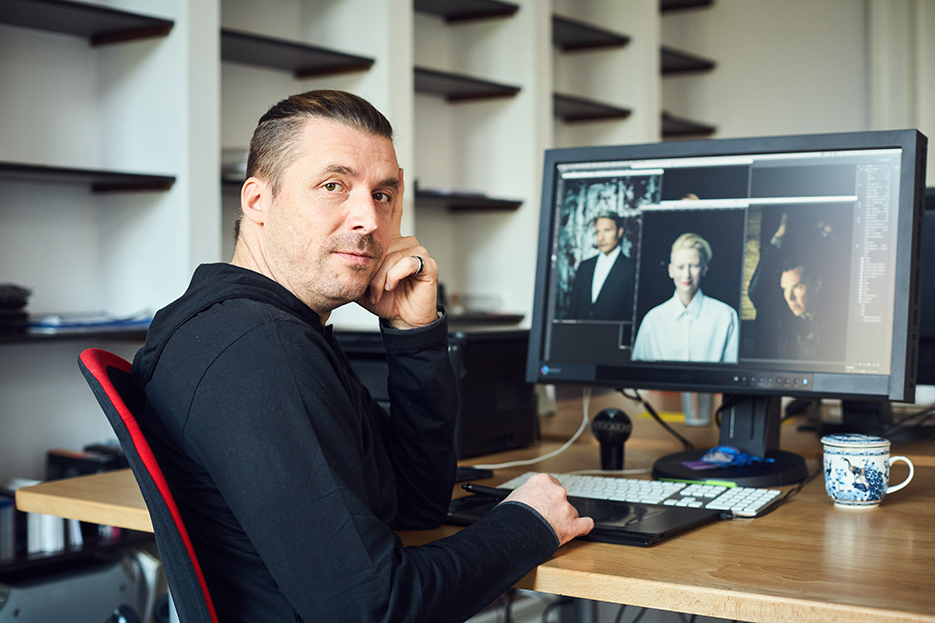
ما هي أنواع الصور المفضلة لديك؟ هل هناك فنانين معينين تحب العمل معهم؟
ت: أفضل الصور للعمل عليها هي الصور الجيدة، من الواضح.
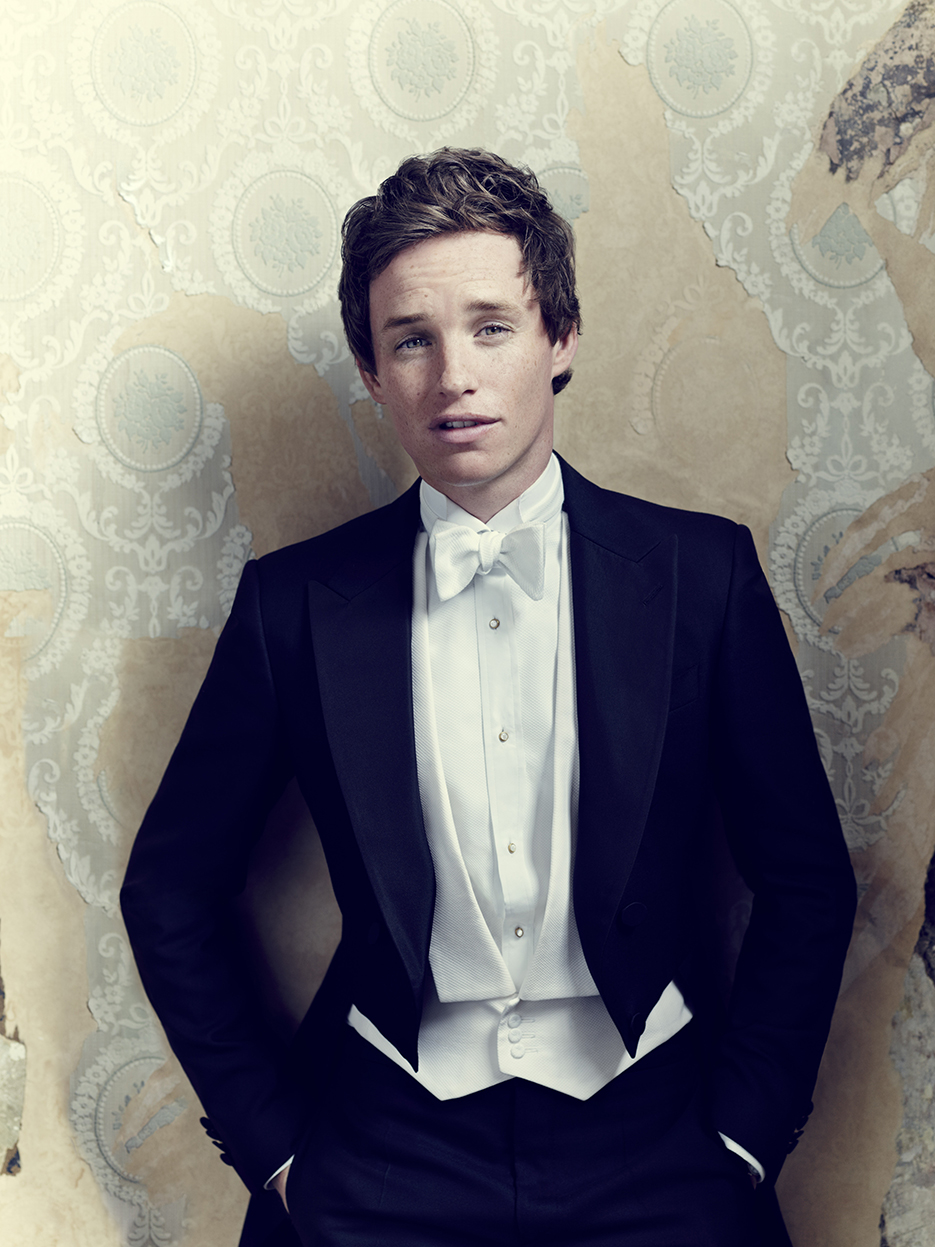
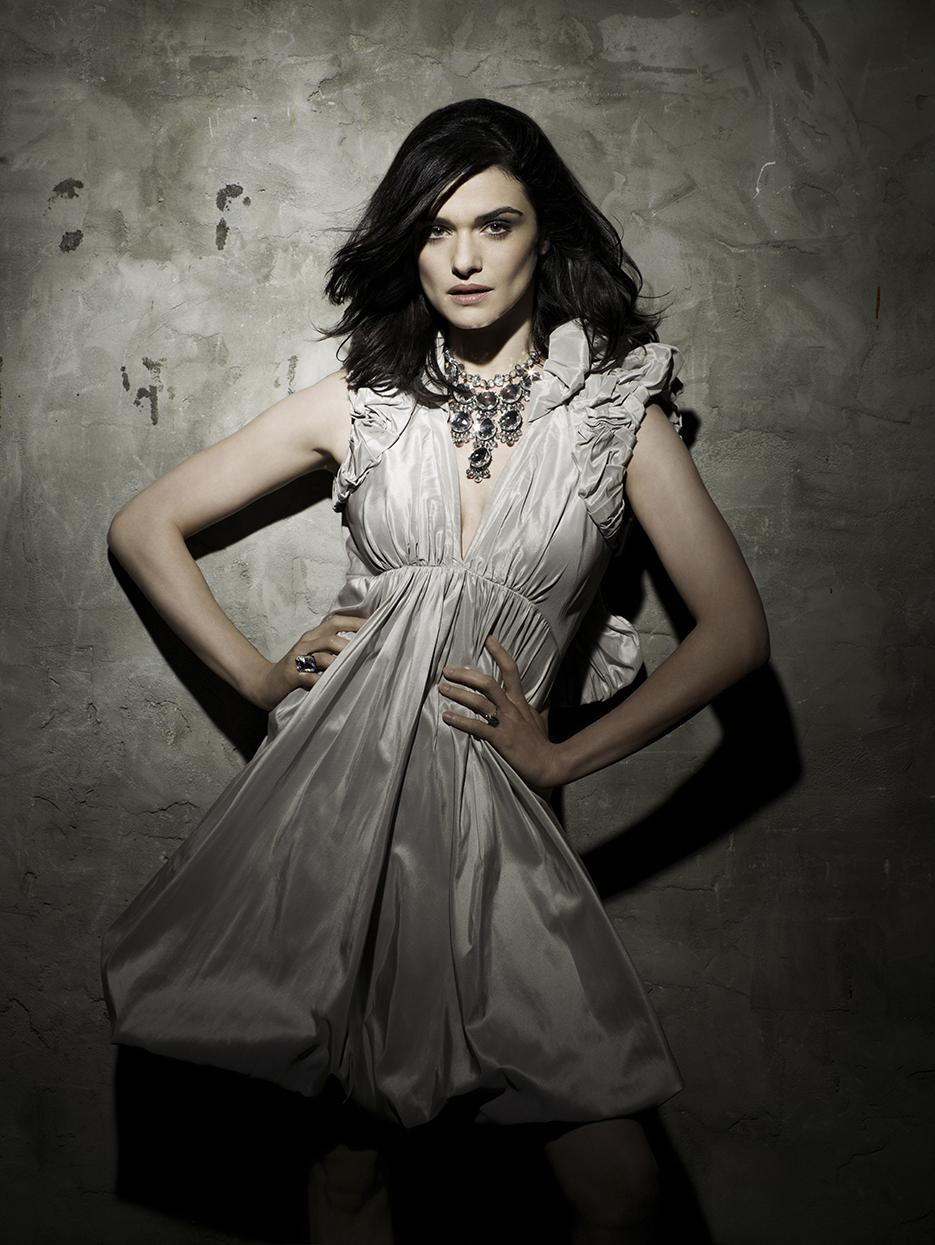
ك: حسنًا، نعم. ليس لدينا حقًا نوع مفضل، مثل تصوير الأزياء أو الصور الشخصية. بالطبع، لدينا تفضيلات شخصية - على سبيل المثال، نحب العمل على الصور ذات التباين بدلاً من الصور الهادئة - ولكن بشكل عام، من المهم بالنسبة لنا أن يبذل المؤلف جهدًا ويفكر بجدية في الأمر. في كثير من الأحيان، تكون التفاصيل الدقيقة والذاتية أحيانًا هي التي تجعلنا نستثمر حقًا في مشروع ما.
ت: بالضبط. لا يهم اسم المصور، على الرغم من أن التوقعات تكون دائمًا أعلى عندما يتعلق الأمر بالمصورين المشهورين. بالنسبة لنا، الجودة هي العامل الحاسم. من وقت لآخر نصادف بعض الجواهر الحقيقية، الصور التي تبقى معك أو التي تمكنا من تحسينها بشكل كبير بطريقة إبداعية.
كيف يكون العمل كفريق واحد؟ هل كل واحد منكم مسؤول عن جزء مختلف من المشروع؟
K: We’ve been working together from the very beginning, and we quickly figured out the best way to do that. We’ve always been supportive of each other, often comping up with different solutions after hours of heated discussions. By now, we have such a methodology, that we can have a few people editing one file simultaneously. At first, it was a serious challenge – we had to work out a routine and stick to it. You’d think any kind of routine kills creativity, but in our case it was the exact opposite.
T: The beginnings weren’t easy, but I think, that was the key to our success. We organized layer groups in Photoshop and put them in a specific order so that everyone knew what to do and didn’t have to wonder how to go about it. A well-thought-out methodology encourages creativity, because it frees you from the technical constraints. Instead of wasting time on the “how”, you can focus on the “what” – what to add, what to change to improve the picture.
K: Each of the many stages of our work has its own appeal, but both of us are particularly fond of color work. It’s very important and at the same time really fun to do. We don’t have any division of labor, though. We’ve been working together for ten years now, so it’s almost impossible to tell which of us edited a given picture.
Do you have a trademark, something that sets your work apart from the others?
K: That’s a tough one. (laughs)
T: It’s really hard to say, since we create a different style for each photographer. We tend to stick to what we call a natural philosophy – we want people to be themselves even though the picture undergoes editing. We also have a very specific set of rules, so all pictures that leave our studio have certain things in common. I like to think it’s the lighting and the color balance
K: Sounds about right. Another thing I find important is respecting the author’s intentions. If we stay true to the original idea, we can uncover the photo’s hidden potential without getting carried away during editing and changing too much. Once again we try to stick to our natural philosophy – we don’t want the photograph we edit to turn into a computer graphics.
How important is equipment in the work you do?
T: Post-production is very demanding when it comes to hardware requirements. The most important devices are of course a computer, monitor, and tablet. If someone told me I could only have one quality device and asked me to choose, I’d pick the monitor. I know it sounds like I’m promoting EIZO, but it’s true: I can wait for a slow computer to process my data, and I can fix inaccurate lines drawn on a lousy tablet, but if I don’t see the real colors of the image I’m editing, because my monitor doesn’t reproduce them properly or doesn’t calibrate, then I’m doomed.
K: It’s true, though it doesn’t mean a good computer, tablet and software aren’t important too. To achieve a satisfactory result, all elements need to work together. Besides, the picture must be edited not only well, but also fast. Especially if you work on high resolution images (and these days you can come across 100 MP camera systems), without good equipment you won’t finish before the deadline. When it comes to speed, every component counts – from hard drives to the monitor’s resolution.
Do you know a lot about hardware? How do you choose the solutions you use?
K: We’ve been working in this industry for many years, so we’ve gained a lot of practical knowledge. I think we know our way around equipment rather well, though not as well as people who specialize in it. When it’s time to buy a new device, we try to determine what will work the best for us – a small studio with big needs. Our clients expect us to deliver high quality and maintain high standards, so we have to expect the same from our hardware.
T: And in reality, that means Apple, EIZO, Wacom, Capture One, and Adobe.
K: We’ve always favored the best brands, and I think that in the long run such an approach is both the best and the cheapest. The best because with poorer quality devices we wouldn’t have finished many of our projects, and the cheapest because equipment reliability is invaluable.
T: We have a couple of really old Mac Pros that work just fine despite their age. Our Wacom tablets are already ten years old and still kicking. EIZO monitors appeared in our studio five years ago and we haven’t had a single issue since. We started out with a 24” model, and now we work on CX270. They’re great monitors, especially in their price range. Right now we’re contemplating switching to a 30” model. A bigger work space and a higher resolution would translate into better work efficiency and significant savings. For me, the difference was the most palpable when I switched from a 21” model to a 24” model with a higher resolution. I realized that my retouching became much smoother and faster, because I could see a bigger part of the image at once.
K: Working on a bigger screen has a lot of benefits. But to answer your question: before buying a monitor, we always take a close look at its parameters. For instance, we check, if it can reproduce the entire Adobe RGB color space, and if not, how much it does cover. We read reviews online and try to find out as much as we can about the monitor: What kind of panel technology does it use? Does it feature self-calibration or self-correction? What kind of warranty does it come with? The price is obviously a factor too. As for EIZO monitors, they offer a very good cost-quality and cost-reliability ratio.
What’s the best way to learn retouching?
T: Attending our workshops, of course. (laughs)
ك: نحاول أن ننقل منهجية عملنا بالكامل في جملة واحدة. إنها دورة ستوفر عليك بضع سنوات من العمل، وتساعدك على تجنب الأخطاء، وتتيح لك التعرف على المعدات، وتمنحك الفرصة لمقابلة أشخاص من الصناعة. ولكن إذا كنت تريد أن تصبح منتجًا جيدًا في مرحلة ما بعد الإنتاج، فأنت بحاجة إلى الاستعداد لرحلة طويلة من تحسين الذات. يستغرق الأمر وقتًا للعثور على مسارك الخاص.