

العمل الإبداعي
استوديو روكو - الشغف بالتكنولوجيا وسحر السينما
دييغو ياما هو خبير ألوان ومتخصص في سير العمل، وكان دائمًا شغوفًا بالتكنولوجيا وسحر السينما. ولهذا السبب، في كل مرة يصنف فيها ألوان أي مشروع، يستخدم شغفه لمحاولة تحقيق أفضل جودة للصورة. في عام 2015، بدأ استوديو خاص به لتصنيف الألوان، Estudio Roco. هنا يقدم الاستوديو وسير العمل والقيمة التي يحصل عليها من شاشة ColorEdge الخاصة به.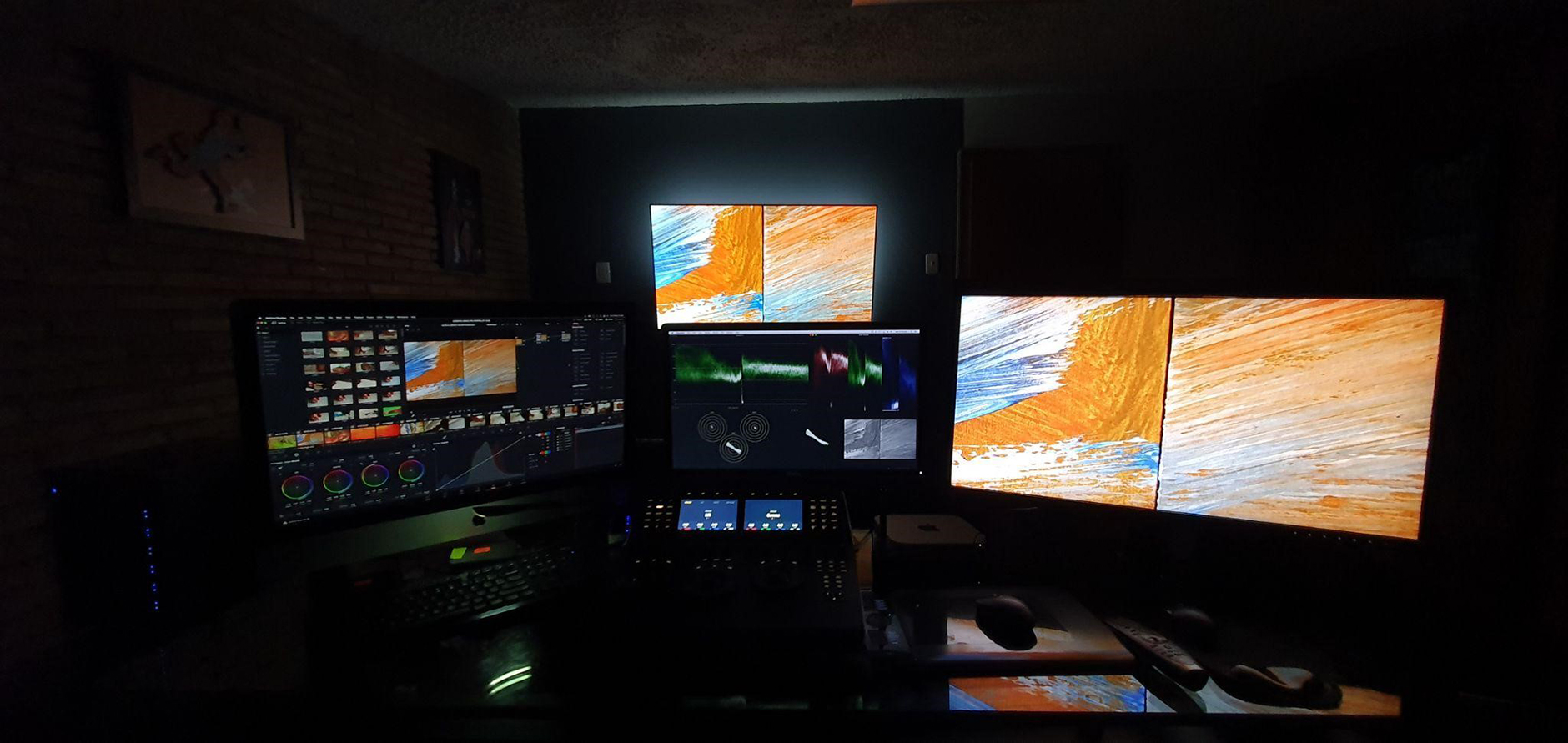
أخبرنا عن دور الشاشة في سير عملك؟
إن اختيار شاشة لتصحيح الألوان ليس بالمهمة السهلة في الوقت الحاضر. إن تنوع العلامات التجارية والميزات والوظائف والأسعار يمكن أن يربكنا عند محاولة تحديد الشاشة الأكثر ملاءمة لاحتياجاتنا. ونظراً لهذا الموقف، في هذا السياق، أود مناقشة الشاشة التي تعد مرجعي حالياً في Estudio Roco. إن EIZO ColorEdge CG319X هي شاشة تلبي حالياً احتياجات ومتطلبات عملنا. وسأشرح السبب.
منذ إنشاء الاستوديو قبل عدة سنوات، كنا نهدف دائماً إلى تقديم خدمة ألوان مخصصة وموثوقة. نحاول أن نعكس ذلك في خدمة العملاء لدينا، وإعداد الاستوديو الخاص بنا، ومن الناحية الفنية في غرفة تصنيف الألوان الخاصة بنا من خلال الشاشة. منذ البداية، كنا نعمل دائماً مع شاشات البث.
وكان شعارنا أن الشاشة في غرفتنا هي المكان الذي ستظهر فيه الصورة بدقة أكبر، وستكون المرجع الأكثر موثوقية مقارنة بعدد الشاشات المتاحة اليوم. الشاشة، جنبًا إلى جنب مع إعداد غرفتنا، هي دليلنا - طريقتنا في إخبار العميل بالثقة بما يراه عندما يأتي إلى هنا وطريقتنا في إثبات أننا متخصصون في التعامل مع الصور.
|
إعداد استوديو Roco |
|
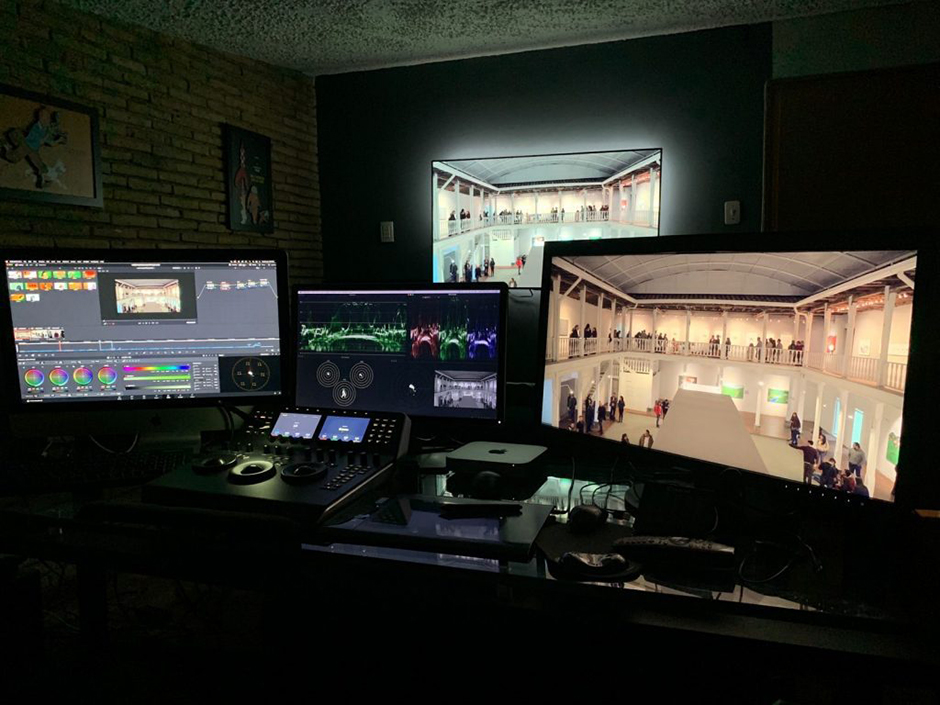
Given all that, the first thing we look for in a monitor is that it meets the technical requirements of color space and display transfer function for delivering our work. Currently, much of what we do is in standard dynamic range (SDR): Rec. 709 with a gamma of 2.4 at 100 nits, sRGB with a gamma of 2.2 at 100 nits, and P3 with a gamma of 2.6 at 60 nits. It is mandatory for the monitor to accurately reproduce these specifications at 10 bits, and it is also a great help to be able to switch between display parameters.
The EIZO ColorEdge CG319X monitor meets the aforementioned requirements. When you first receive the monitor, you can find a factory calibration certificate inside the box, demonstrating that the requirements are met. Additionally, on the front panel where the menus are located, you can easily switch between different presets, which in this case are the color space parameters I just mentioned. This provides us with great flexibility to use the monitor according to our needs without complicated menu navigation to switch between color environments.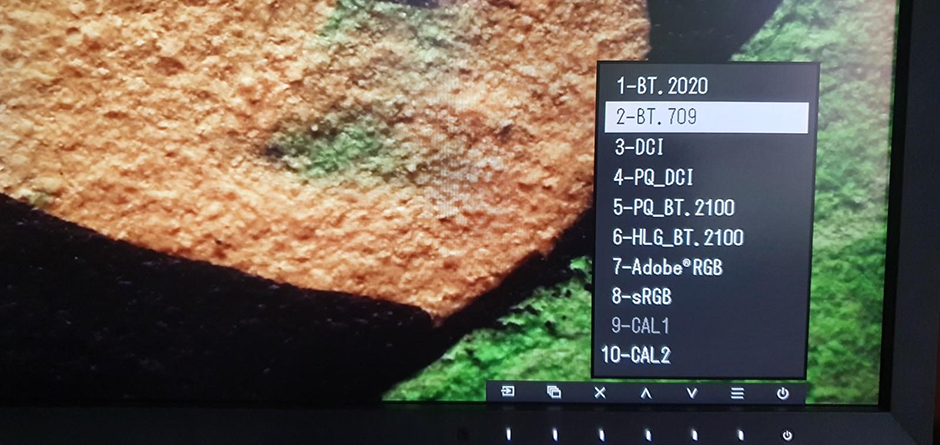
What other factors do you consider when choosing a monitor?
Without a doubt, the monitor meeting the color space requirements for display and delivery of our work is vital in the monitor selection process. Currently, many monitors meet these SDR requirements, but how long do these calibrated displays accurately show these color spaces? That is a question we must ask ourselves. It is no secret that monitor color characteristics deviate with continuous use and as colorists we know that our monitors need to be calibrated periodically to address this.
If a monitor loses its ability to display accurate colors after a short period, continuing to recalibrate it in the future will cost more resources over its initial cost. This is a key factor in the purchase of a color management monitor. A pattern that holds true in many cases is that the more expensive the monitor, the longer it will stay calibrated, and the faster the recalibration process will be compared to a budget monitor. This is undoubtedly a factor to consider, especially when more and more budget-friendly monitors for color work are reaching the market.
In light of this, the question is: How long do I want my investment to last? If I buy an economical monitor as a professional colorist, I should be aware that I will have to invest constantly in calibration processes. In this regard, the EIZO ColorEdge CG319X maintains calibration parameters for a considerable amount of time. Furthermore, it offers the functionality of an integrated calibrator along with internal calibration software that can be controlled directly from the monitor's menus or via USB from a computer for greater control over the functions.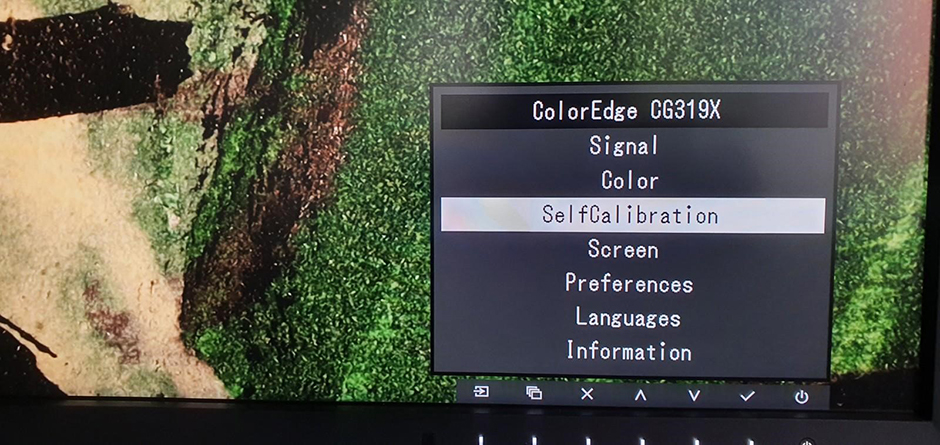
This functionality allows the monitor to be easily and automatically calibrated or programmed for periodic auto-calibrations, which is a highly advantageous point for maintaining color accuracy over time. In addition, the monitor can connect to the industry's standard calibration software, Calman by Portrait Display, and perform AutoCal with the monitor's built-in calibrator or an external one.
What is your assessment of the built-in calibration function?
As a certified calibrator by the PVA, I can certify that the internal calibrator, along with EIZO's proprietary software, generates very similar results compared to direct calibration using Calman. If we want to perform manual calibration for even greater precision, the monitor offers enough adjustable parameters in its advanced menus.
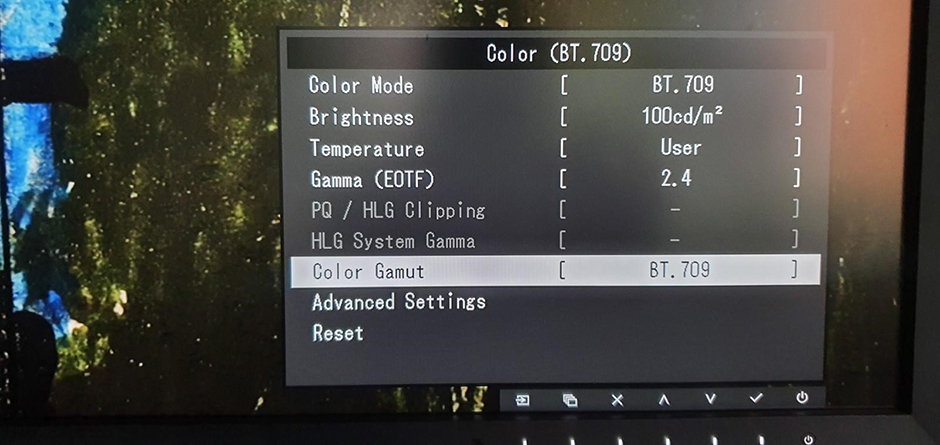
If the monitor is not calibrated, we at Estudio Roco would not be able to provide color services. The EIZO ColorEdge CG319X provides us with sufficient guarantees for our monitor to instill confidence in the services we offer.
Calibration is accompanied by crucial features such as simultaneous 10-bit image reproduction, a contrast ratio of 1500:1, and a resolution of 4096 x 2160 on a 32" LCD IPS panel. The advanced development of the screen displays very pure blacks compared to similar technology displays. Additionally, the monitor allows us to perform critical technical evaluations of our colorized images.
How does the ColorEdge CG319X help your color grading workflow?
Color grading is not just about creating aesthetically pleasing images; it also involves ensuring the images are technically appropriate. A significant part of our work is detecting and solving technical issues such as banding, dead pixels, noise levels, frame rate problems, field issues, and more.
Different types of monitors attempt to hide these errors to make the image look “nice” or simply do not display them. However, this is not functional for technically evaluating the image, which is vital for delivering “good color.”
With the EIZO ColorEdge CG319X monitor, we can visually detect these technical artifacts, then solve them. We can even zoom in 4x on the screen to examine them more precisely. Additionally, we have various visual tools such as luminance warnings and gamut error warnings that assist us in the quality control process for our images.
Furthermore, an essential factor in panel manufacturing is color uniformity across the screen. EIZO ensures color and brightness stability of its panel through its Digital Uniformity Equalizer (DUE) technology. This is crucial in the process of color grading and judging different parts of the image frame. Moreover, the monitor has an approximate viewing angle of 180 degrees. This allows the client to sit next to the colorist in our grading room and view the same image. If there is a discrepancy between what the client sees and what the colorist sees, it can lead to communication issues and, consequently, disparities in the final result.
What part does HDR play in your workflow?
حاليًا، لا يعمل Estudio Roco على نطاق واسع مع HDR، لكن CG319X يسمح لنا بمراقبة منحنى PQ أو HLG عند 300 شمعة. وقد مكننا هذا من إجراء اختبارات أو تلوينات مسبقة قبل الانتقال إلى شاشة 1000 شمعة.
أخيرًا، من حيث التوصيلات، تحتوي الشاشة على مدخلات DisplayPort وHDMI ولكن لا تحتوي على مدخلات SDI. لذلك، لإرسال إشارات الفيديو مباشرة من بطاقة تشغيل Ultrastudio 4K Mini من Blackmagic Design، كان علينا شراء محول SDI إلى HDMI. يوجد أدناه رسم تخطيطي لغرفة تصنيف الألوان الخاصة بنا.
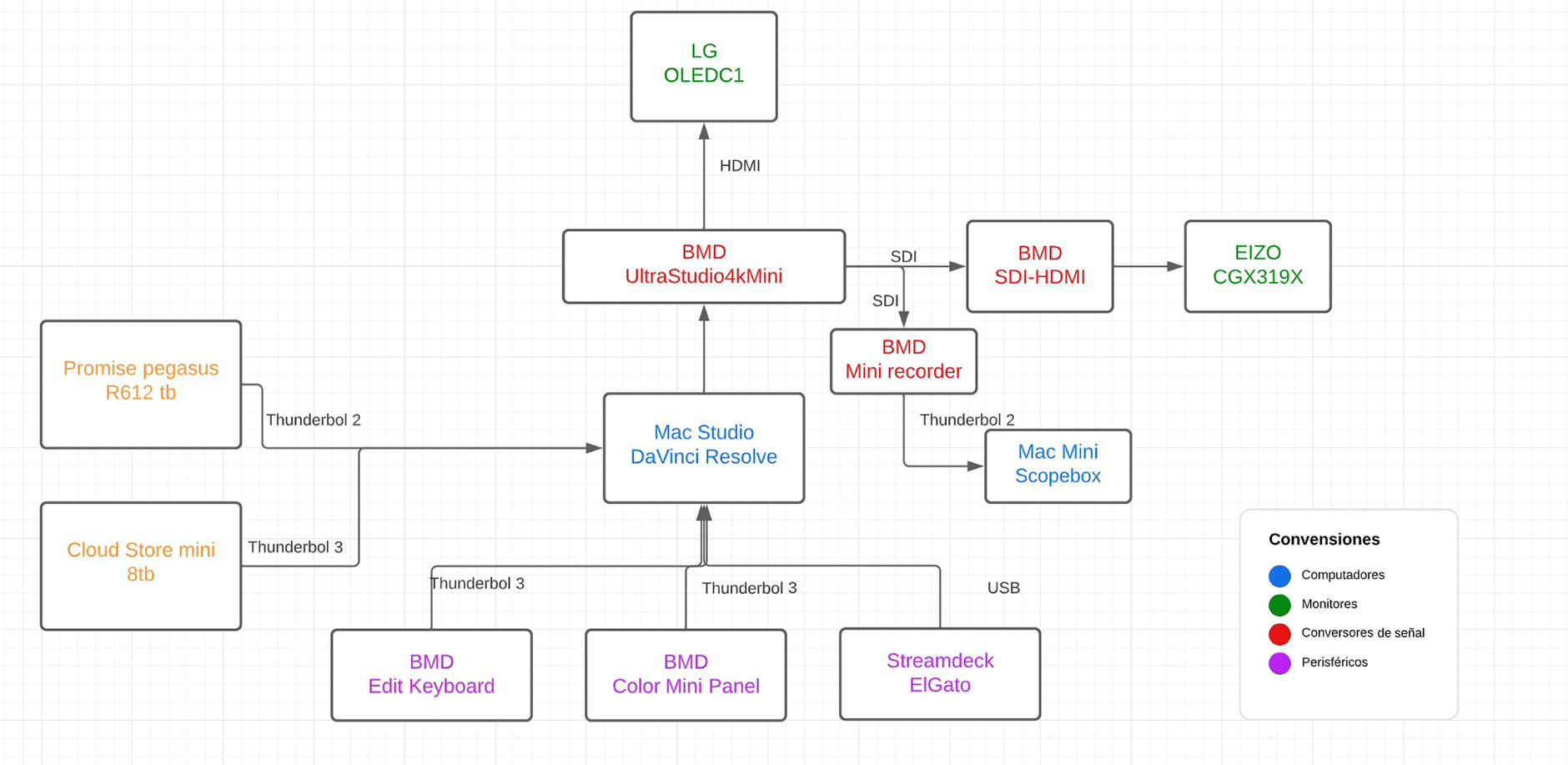
للأسباب المذكورة أعلاه، تلبي طابعة EIZO CG319X حاليًا متطلبات عملنا في Estudio Roco وتوفر لنا الموثوقية اللازمة للحفاظ على معايير الجودة في غرفة تصنيف الألوان الخاصة بنا. 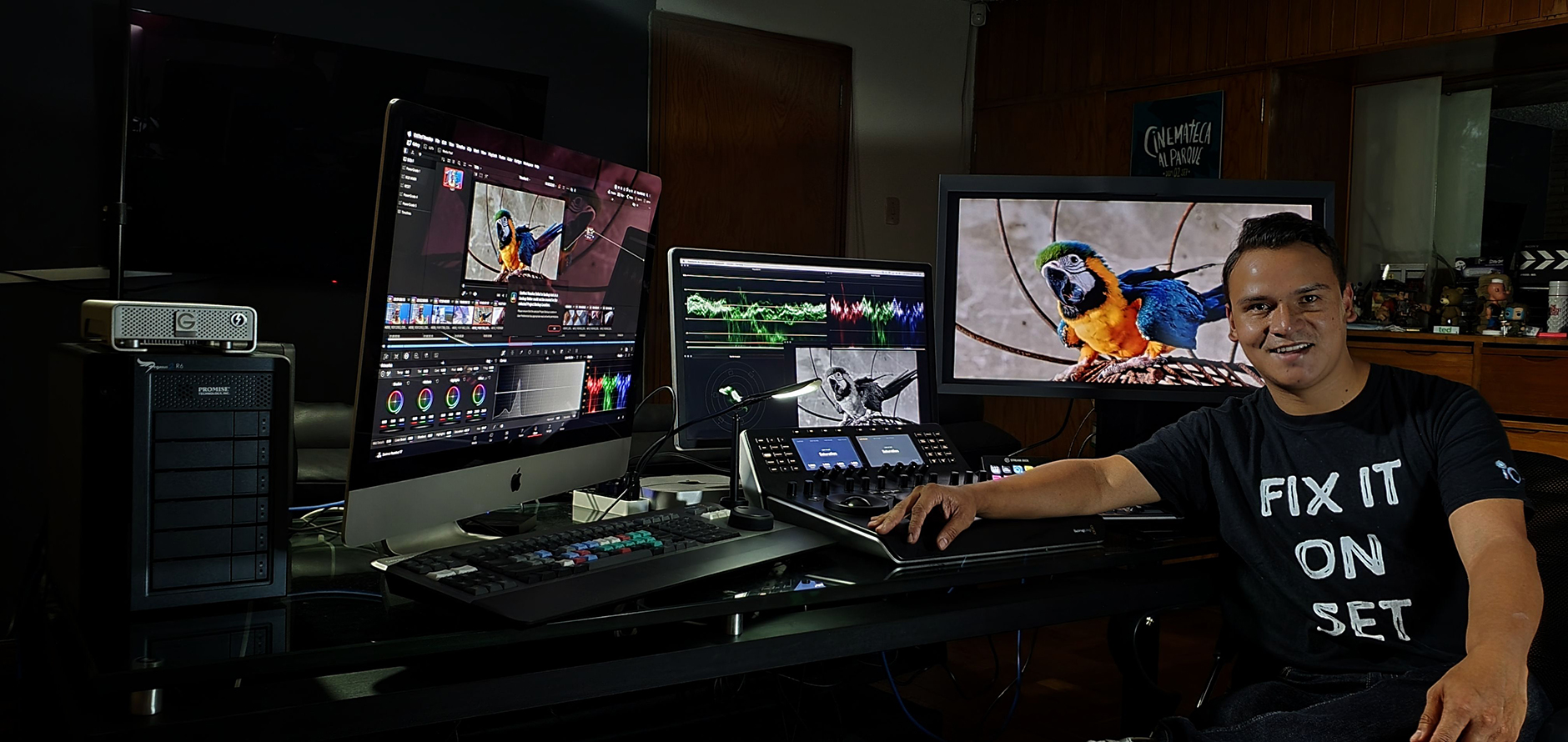
موقع Estudio Roco الإلكتروني



