

العمل الإبداعي
ديانا مهنر - كل كلب له يومه
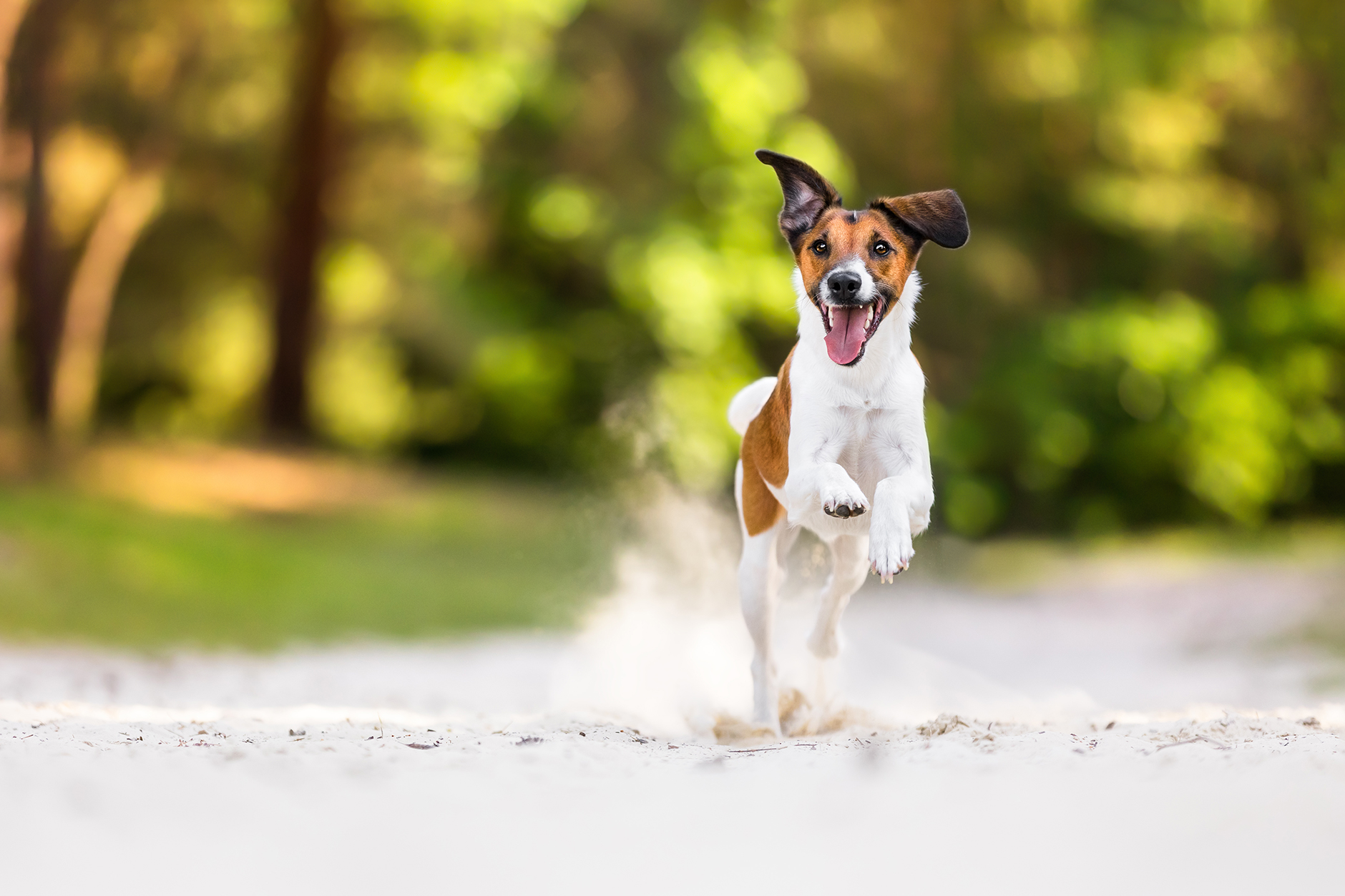
الكلاب نماذج مثيرة للمصورين - ولكن ليس من السهل تصويرها. في مقابلة، قدمت مصورة الكلاب المحترفة ديانا ميهر نصائح حول كيفية التقاط صور غير عادية لأصدقائنا ذوي الأرجل الأربع وتشرح مدى أهمية العمل بألوان حقيقية مع شاشة ColorEdge CG2700S من EIZO. كما قدمت نصائح مفيدة حول كيفية وضع حيوانك الأليف في دائرة الضوء للحصول على نتائج تصويرية رائعة.
سواء كنت تريد ببساطة تصوير كلبك، أو التقاط صور للحيوانات لأصدقائك وعائلتك، أو حتى كسب المال من خلال تصوير الكلاب، فإن تصوير هذه الأصدقاء ذوي الأرجل الأربع أمر ممتع في كل الأحوال! من الواضح من تعبير ديانا ميهر - أنها تتعامل مع الكلاب وأصحابها بالود والفكاهة، مما يؤدي في النهاية إلى صور رائعة. سألنا مصورة الكلاب المخلصة عن وصفاتها للنجاح.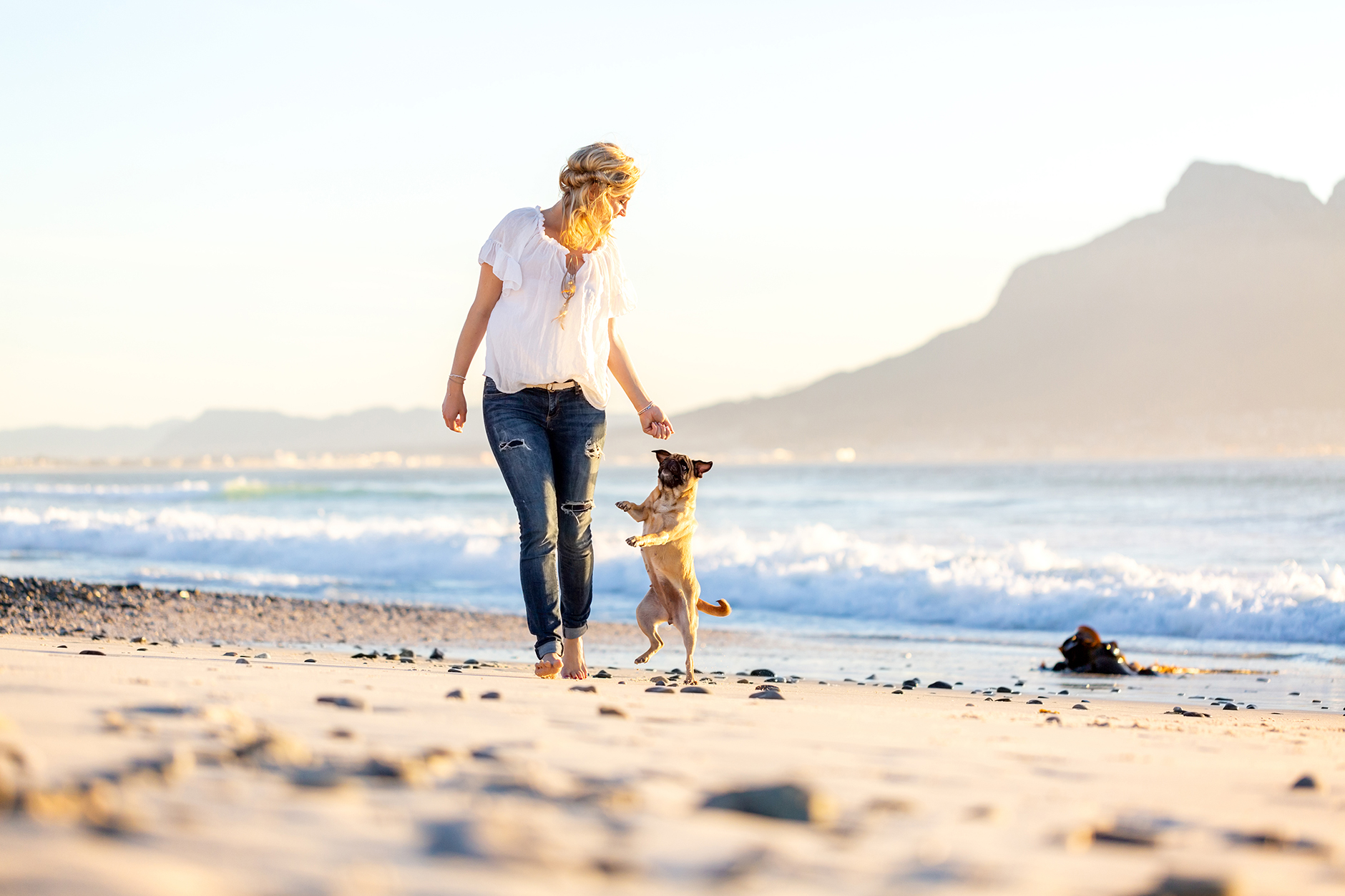
ما هي الصفات التي يجب أن يتمتع بها مصور الكلاب؟
يجب أن تكون قادرًا على قراءة الكلاب من أجل التعرف على حدودها واحترامها. ثم عليك أن تدخل بسرعة في شخصية الكلب وتلتقط أكبر عدد ممكن من الصور الجيدة في نافذة انتباه الكلب الضيقة نسبيًا. للقيام بذلك، من المهم للغاية إتقان الكاميرا الخاصة بك وأن تفكر مسبقًا في المكان ونوع الصور التي تريد التقاطها وبأي نوع من الإضاءة. وبالطبع، الصبر أمر بالغ الأهمية. لا تعمل الكلاب مثل البشر. إنها كما هي. يمكنك فقط تحقيق أقصى استفادة من ذلك. ولكن من المهم أيضًا ألا تهتم بما يعتقده الغرباء عنك أثناء التصوير. غالبًا ما تستلقي على بطنك في مكان ما وتحاول جذب انتباه العارضة ذات الأرجل الأربعة من خلال إصدار أصوات مضحكة. لم أواجه مشكلة في ذلك أبدًا. أنا دائمًا "في المنطقة" لدرجة أنني لا أشعر حتى بالمخاوف مثل خوفي من المرتفعات أو خوفي من القراد أو العناكب.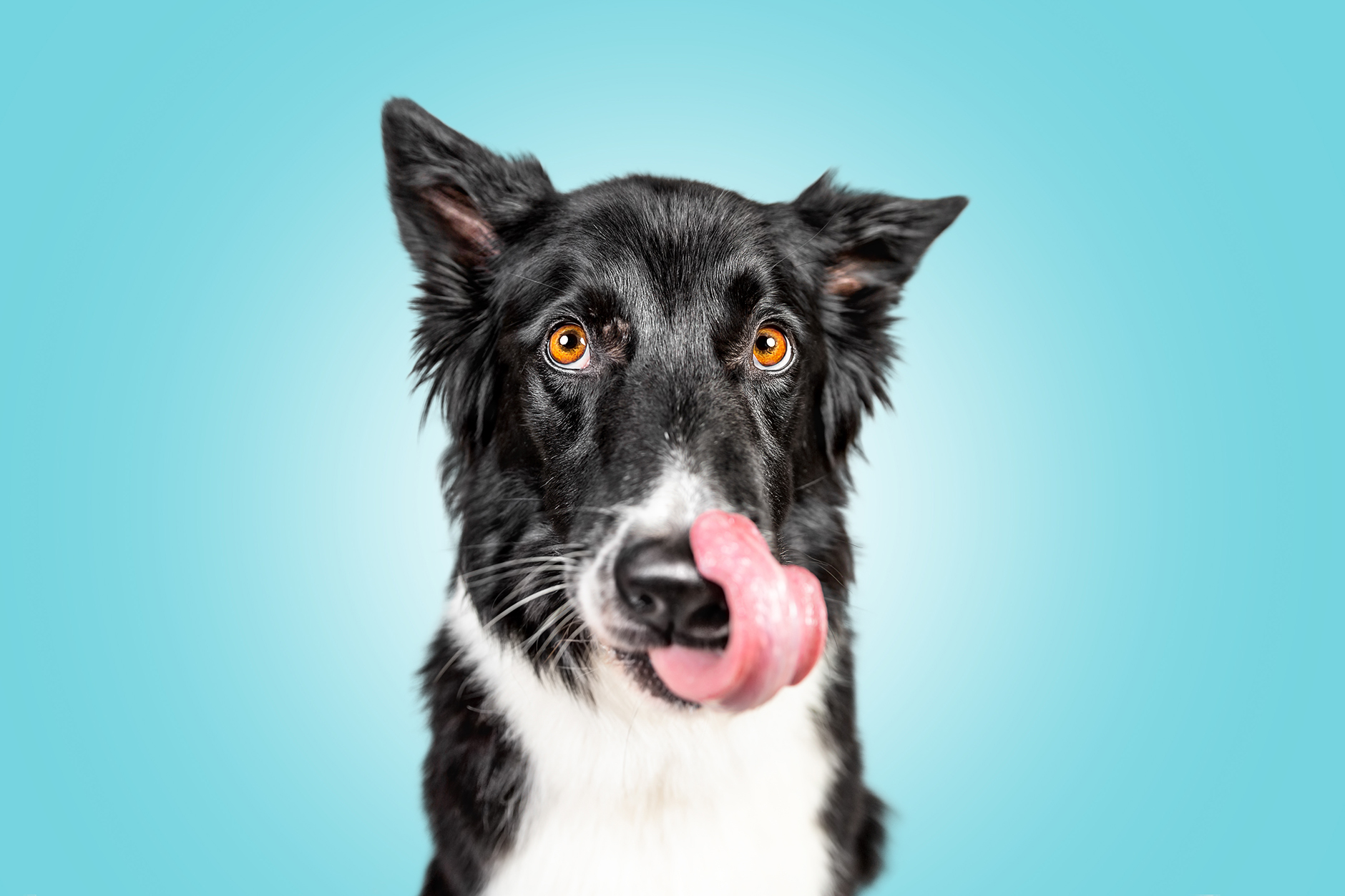
نصيحة: قم بتضمين المقدمة
إن إضافة خلفية تشكل طبقة ثالثة مع الكلب والخلفية يجعل أي صورة أفضل. لذا، ابحث عن العشب أو الأغصان أو جذوع الأشجار. وإذا أمكن، استخدم فتحة عدسة مفتوحة لفصل الخلفية عن الخلفية برفق والتركيز على الحيوان.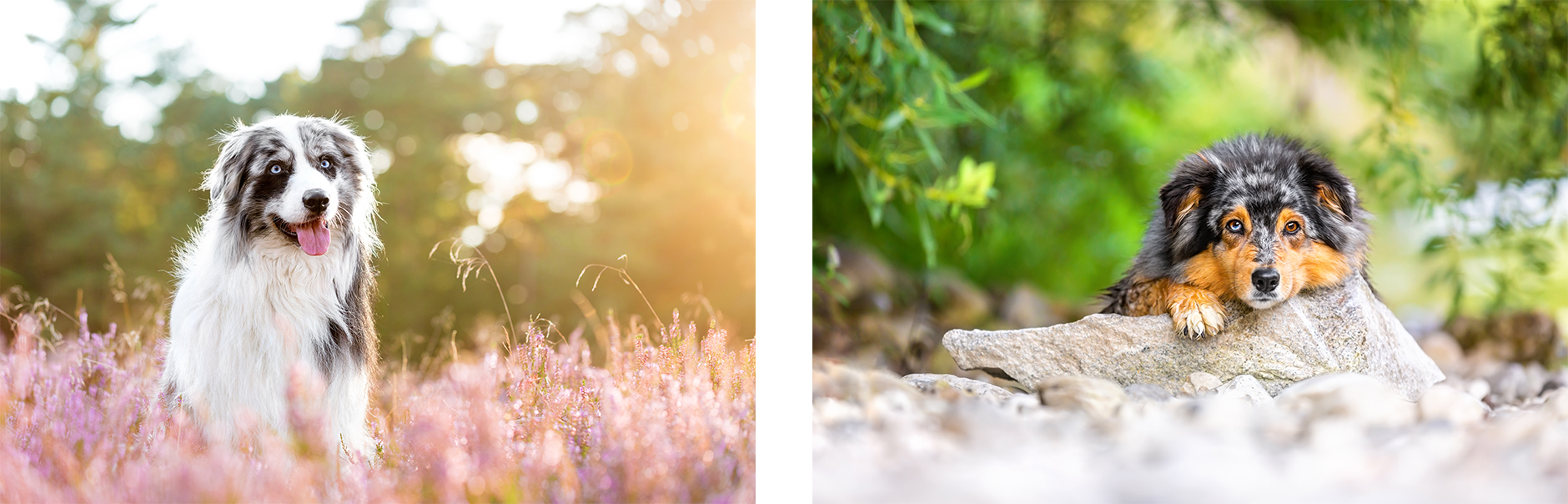
ما هي التحديات في تصوير الكلاب؟
تختلف كل الكلاب عن بعضها البعض. ولا ينطبق هذا فقط على الخصائص الخارجية مثل الحجم أو اللون أو بنية الفراء. بل تختلف الكلاب أيضًا في شخصيتها. كما يلعب عمر الكلب دورًا كبيرًا. غالبًا ما تكون الجراء مرحة ووحشية تمامًا. غالبًا ما تكون الكلاب المسنة عمياء أو صماء أو لا تستطيع التحرك إلا بدرجة محدودة. بالإضافة إلى ذلك، خاضت بعض الكلاب تجارب سيئة للغاية مع الناس. يجب أخذ كل هذا في الاعتبار.
هل تعرضت للعض من قبل؟
Fortunately, I have never been bitten. At the most, I've been nipped when a dog wasn't quite so careful when getting a treat. At action shoots you sometimes get knocked down when the dogs run straight at the camera (and the photographer). The photos before the impact are then often the best pictures.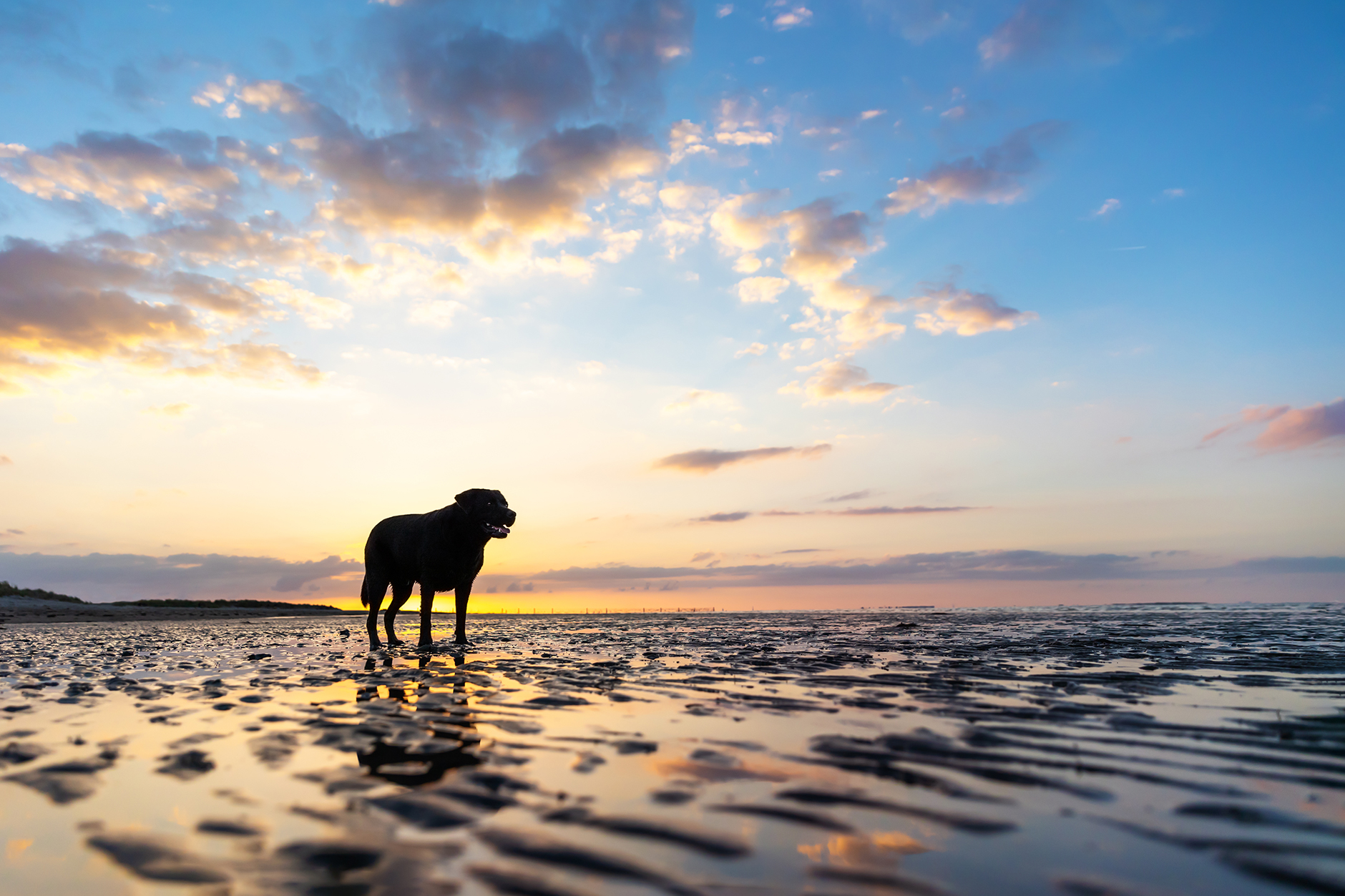
TIP: In Action
Let the dogs run directly towards the camera: This always looks very dynamic. The easiest way to achieve this is with the help of a master or mistress who stands behind you and lures the dog. Small obstacles in the way make the dog jump, which creates additional dynamics.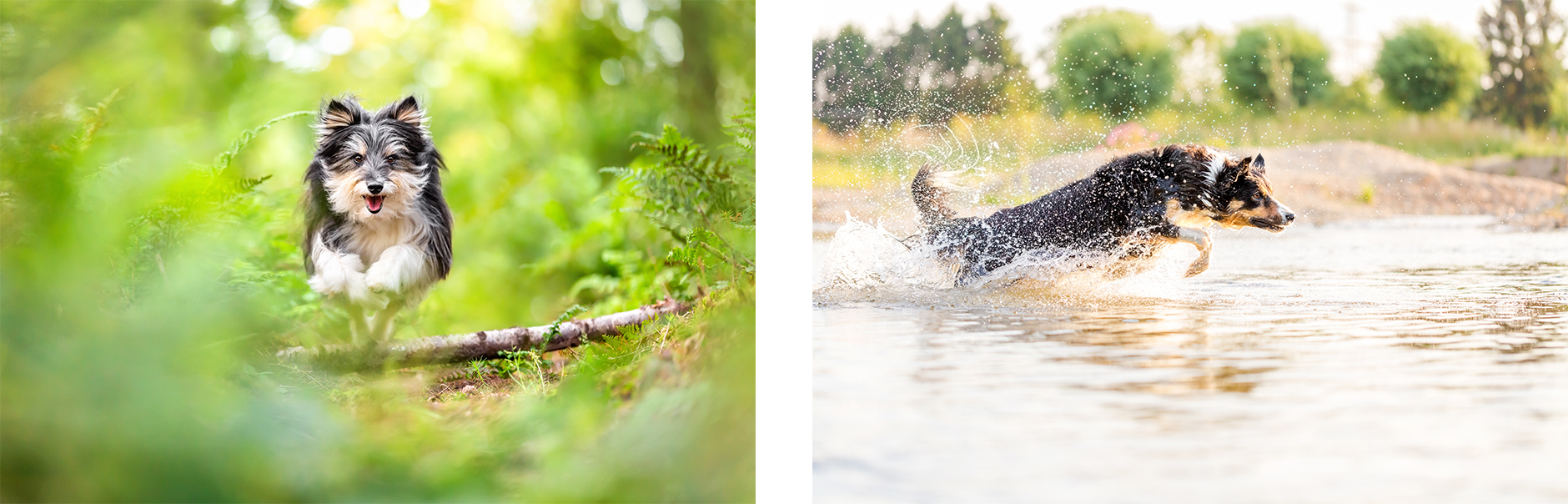
One of your trademarks is the "funny dog portrait". How do you get shots like that?
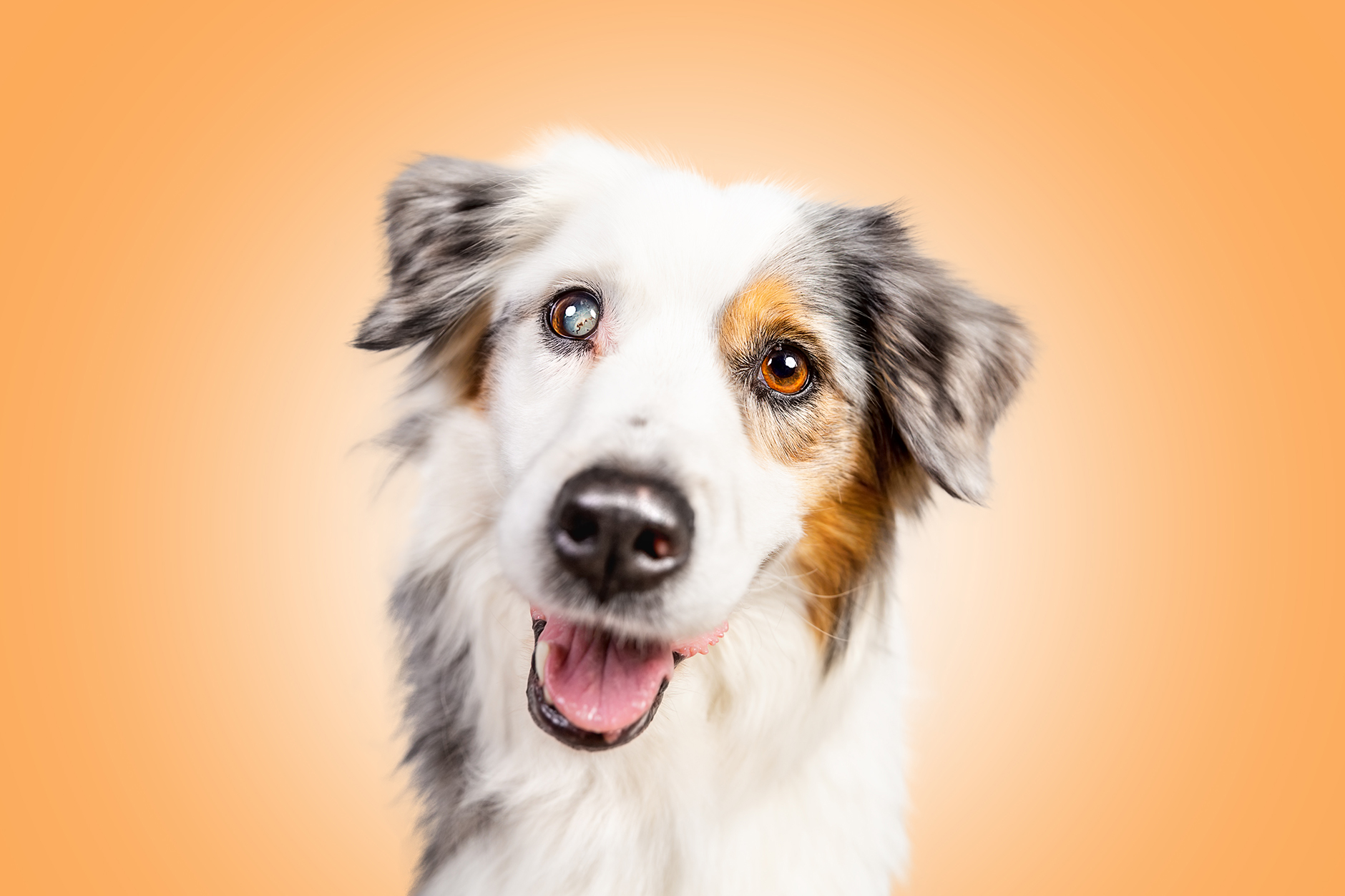
First of all, I think about the appropriate background. I use a white or grey background so that there is no color fringing. That's really difficult to remove. I like to have photos of the dog sent to me in advance to choose the most suitable background. The pictures are taken with a very open aperture. This not only looks nicer - the softer edge is also easier to crop. For the rough selection I use the quick selection tool in Photoshop and then enhance via Enhance Edge. Fluffy white fur is especially problematic. Finally, I add a matching color background and a glow behind the dog. Not every background color works equally well with every dog. For grey dogs, light blue or mint work particularly well. The more intense the new color, the more problematic the cropped edge. Short-haired dogs also need to be touched up in detail.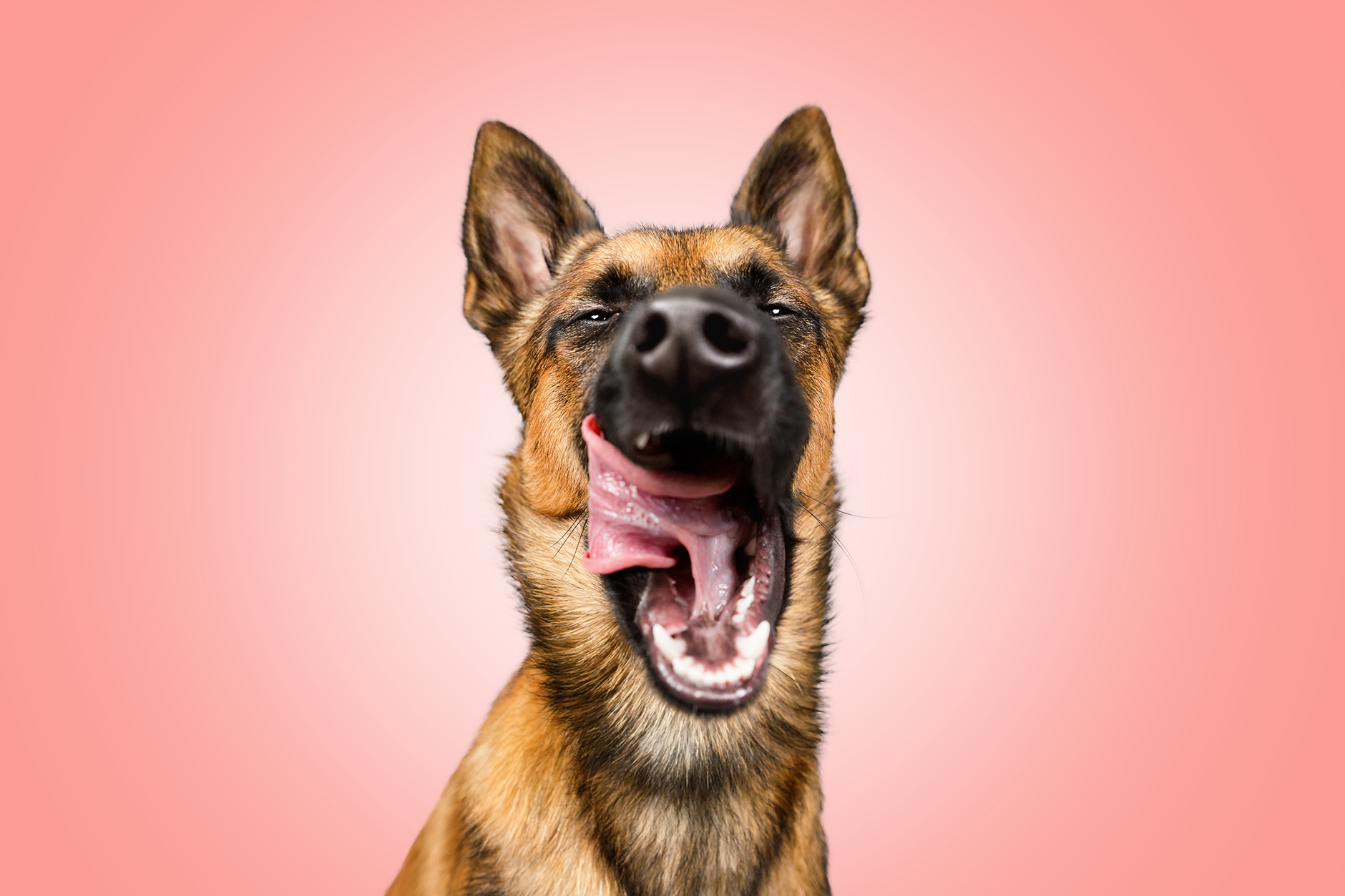
TIP: Taking Studio Portraits
Diana Mehner takes such studio pictures with an open aperture and preferably with a wide angle - to create the closeness. The easiest way to get the dog's attention is with treats: this creates the “loyal look”. Shoot in front of white or grey, crop, and color the background.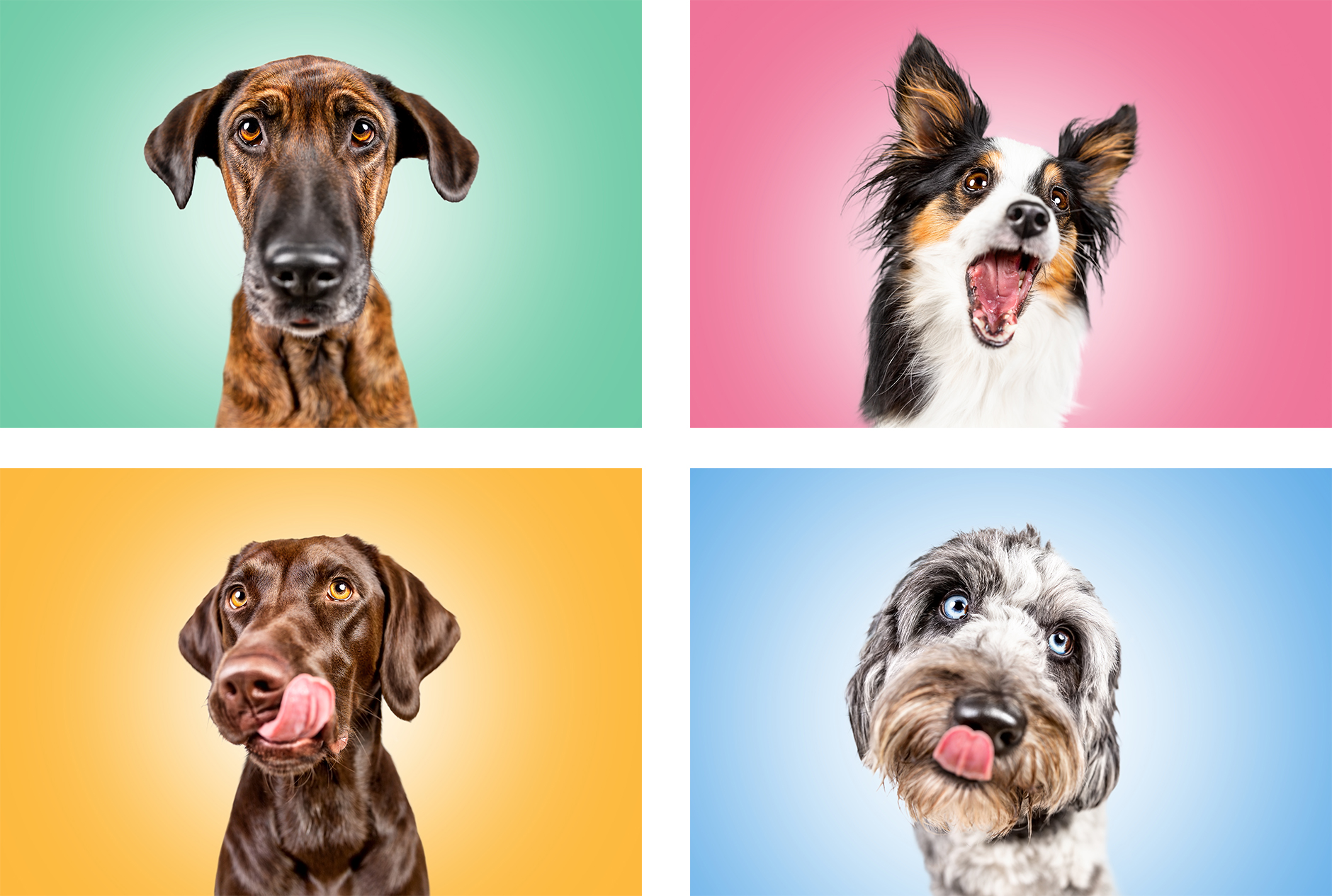
What does it look like in your "digital darkroom", i.e., on your desk?
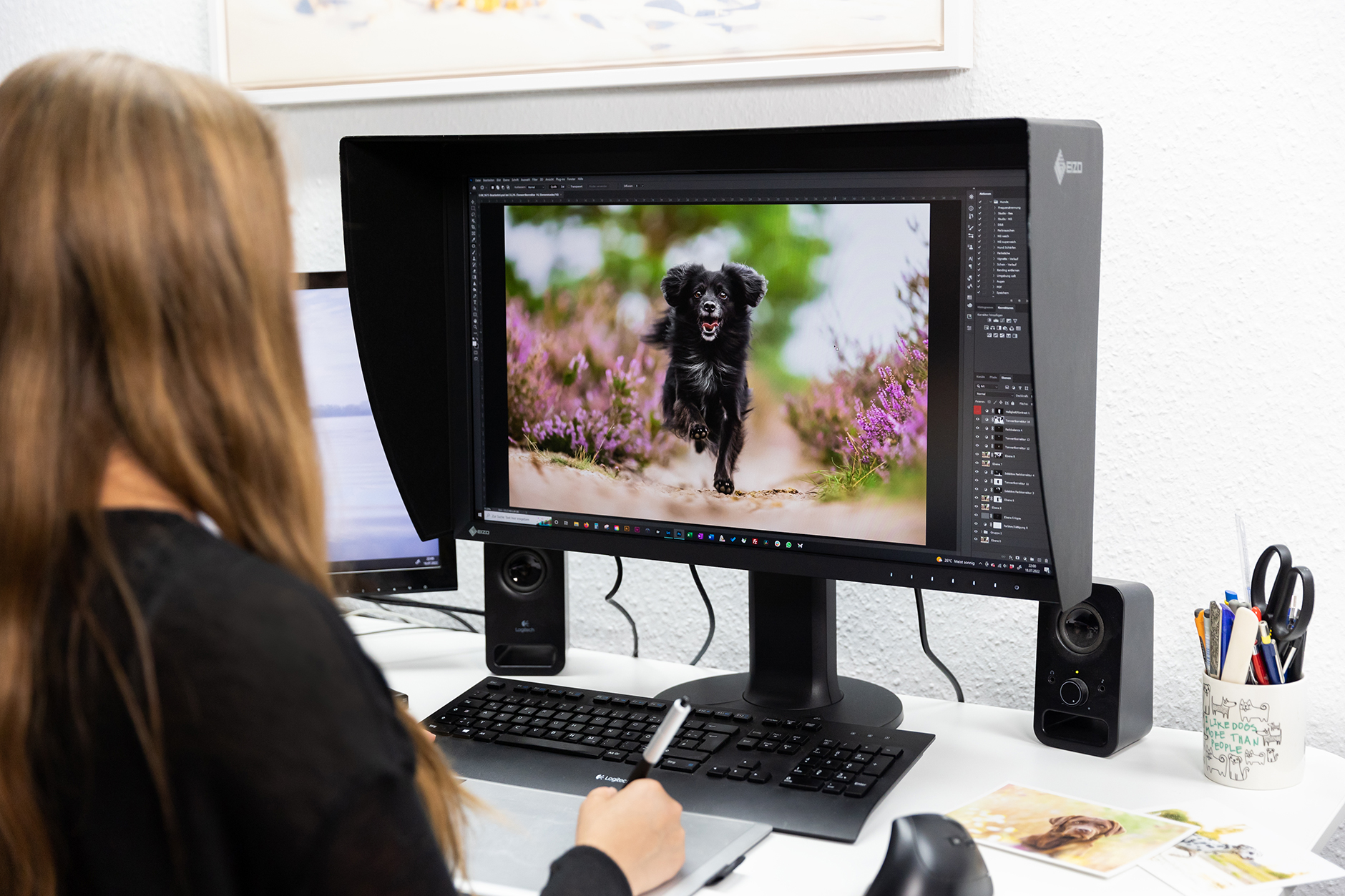
On the software side, I use Adobe Lightroom for image organization and basic raw development. In Photoshop I then retouch away collars, leashes etc. And beauty retouching is also a must for dogs. This often concerns the teeth and the fur. Then I emphasize the eyes and make the fur shine. On the hardware side, I use a powerful desktop computer and even during my training I bought an EIZO monitor. At vocational school, everyone always wanted to work on the one EIZO ColorEdge monitor, and it was clear to me: I needed one too. It wasn't a ColorEdge, but it served me well for a long time and I calibrated it regularly. Recently, I have been using the brand new ColorEdge CG2700S.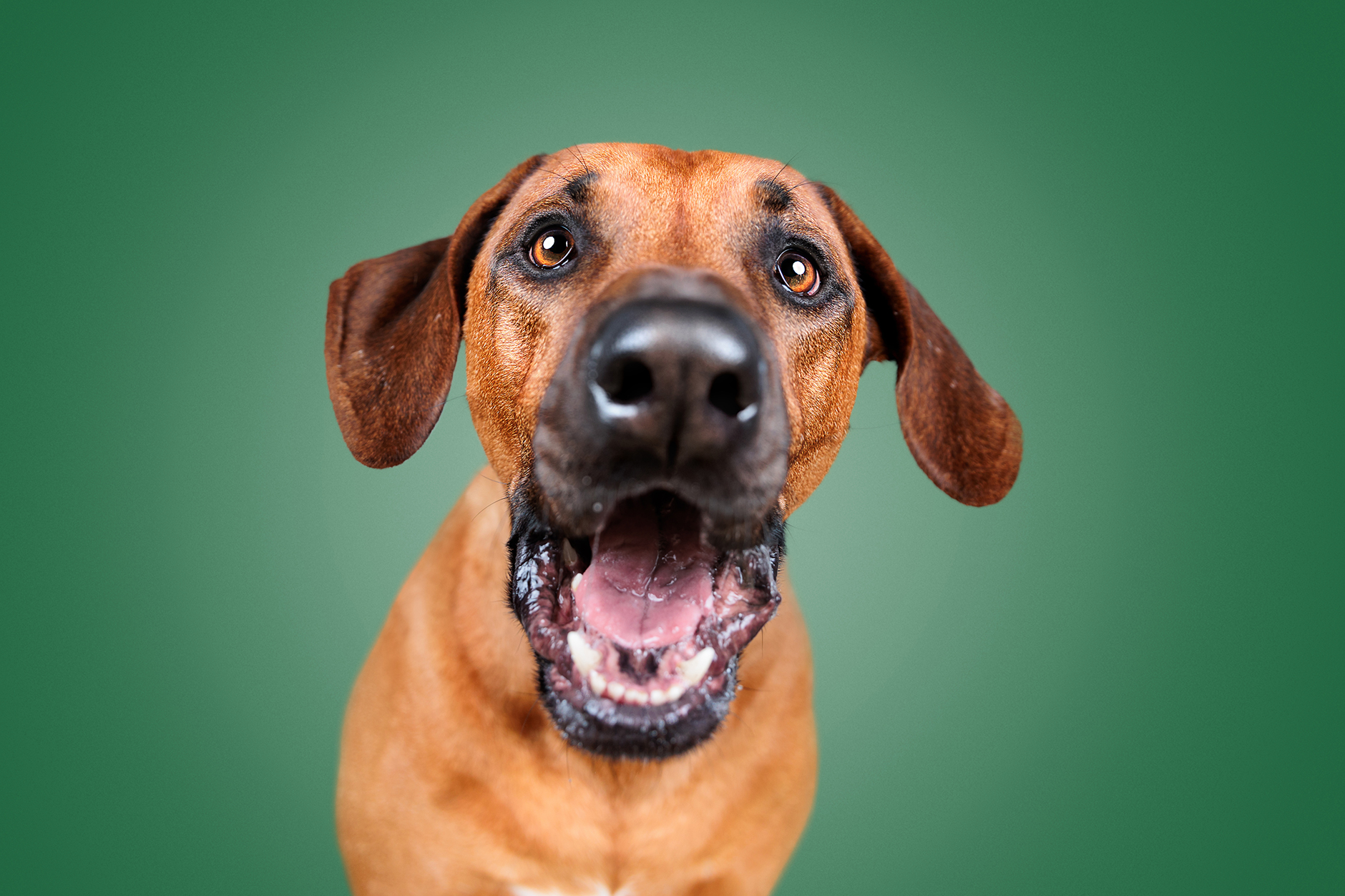
TIP: Perspective at or Below Eye Level
No matter how big or small the dog is, photograph at or even below eye level if possible. This almost always makes animal portraits more exciting than the view from above. As a dog photographer, you therefore very often lie on the ground. If you photograph from above, then exaggerate as much as possible and point the camera directly downwards.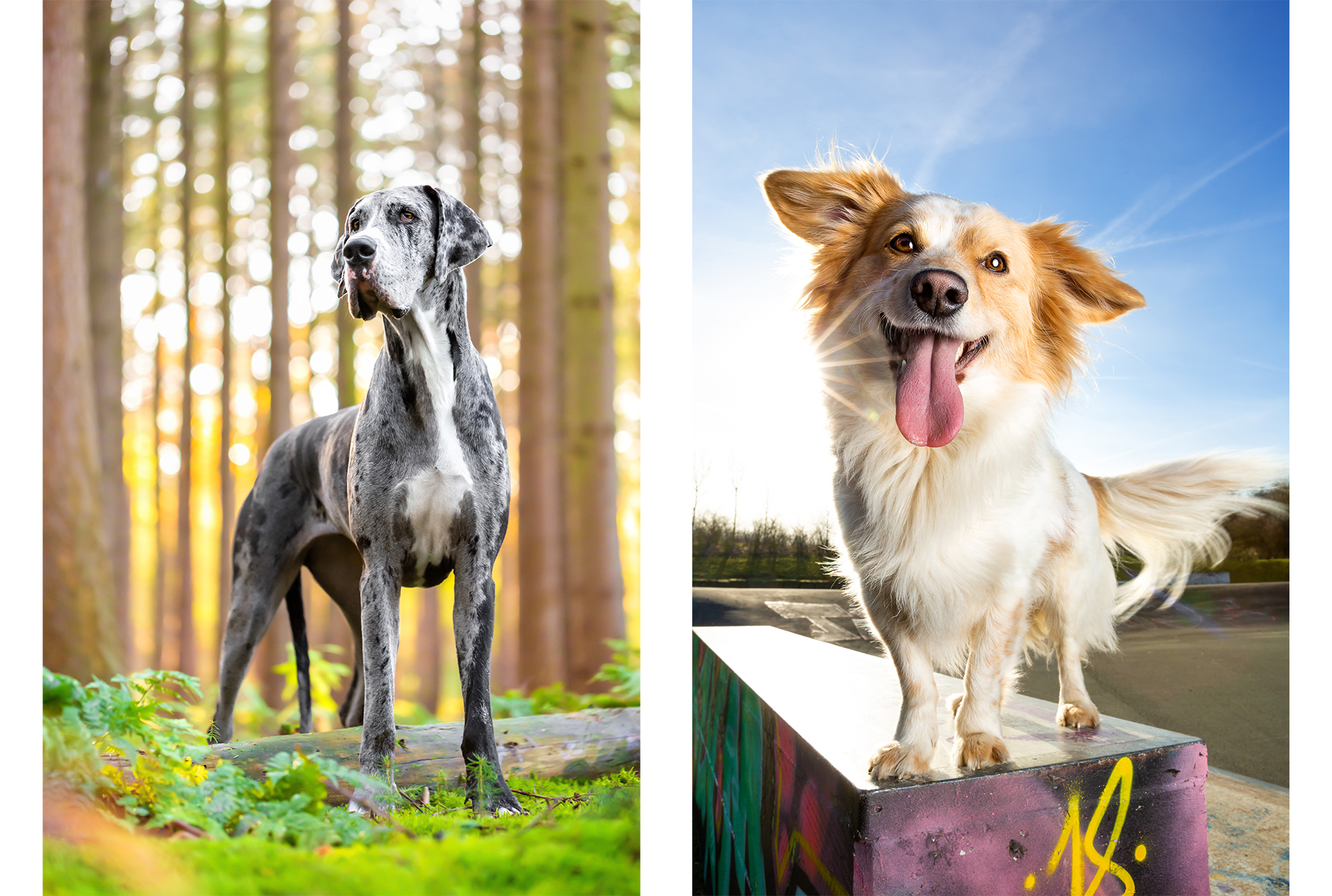
What is your experience after switching to a high-end graphics monitor?
First of all, the step from 23 inches to 27 is spectacular. And with calibration, I already had a relatively good impression of my image file within the scope of what the old monitor could display. I was halfway safe from total surprises when ordering print products. But you can't expect miracles from a monitor that doesn't have a large color space. Due to the larger color space, the color representation of the CG2700S is in a completely different league. The smoothness of the color and greyscale transitions is really outstanding, the built-in calibration sensor is an absolute comfort feature. In the past I have put off calibrating. Now I can program it so that the monitor does it automatically and in my absence. The homogeneity of the image display is simply perfect for my eyes. What surprised me the most was the effect of the light-shielding screen that comes with the monitor. It ensures that the image is significantly less distorted by stray light. The new monitor came at the right time for the production of my first book project.
TIP: Simulating Night Photos
The best time to achieve the night scene effect is during the blue hour. A pop-up flash with diffuser (ideally unleashed slightly to the side) provides soft light. Work with a relatively slow shutter speed so that the landscape gets enough light.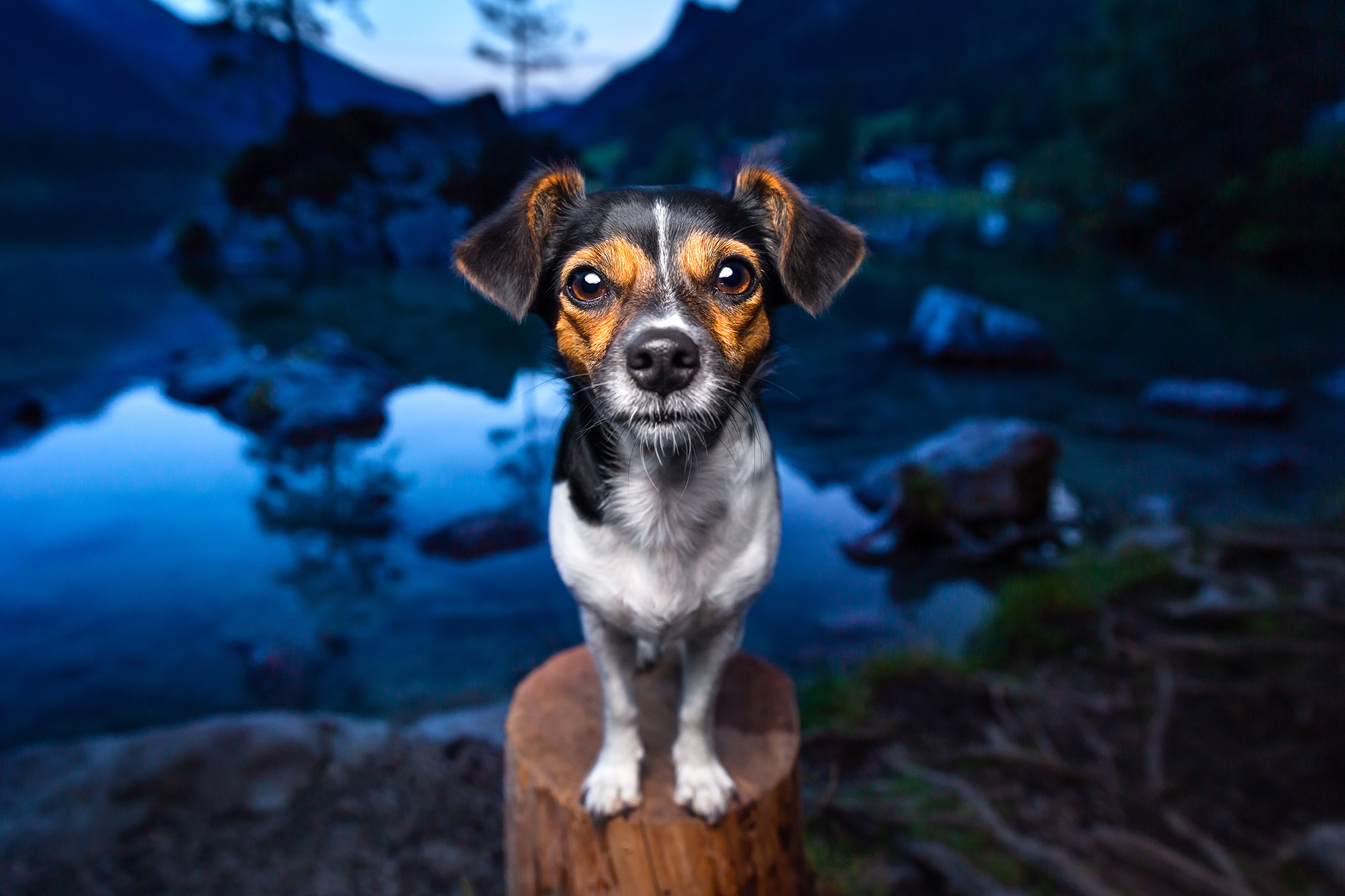
TIP: Dogs Playing
Flying leaves or other objects can make a photo very dynamic and also animate the dog. The easiest way is to have a companion help you and throw the leaves towards the animal. Keep the exposure time short and make sure that leaves stand out against a blurred background.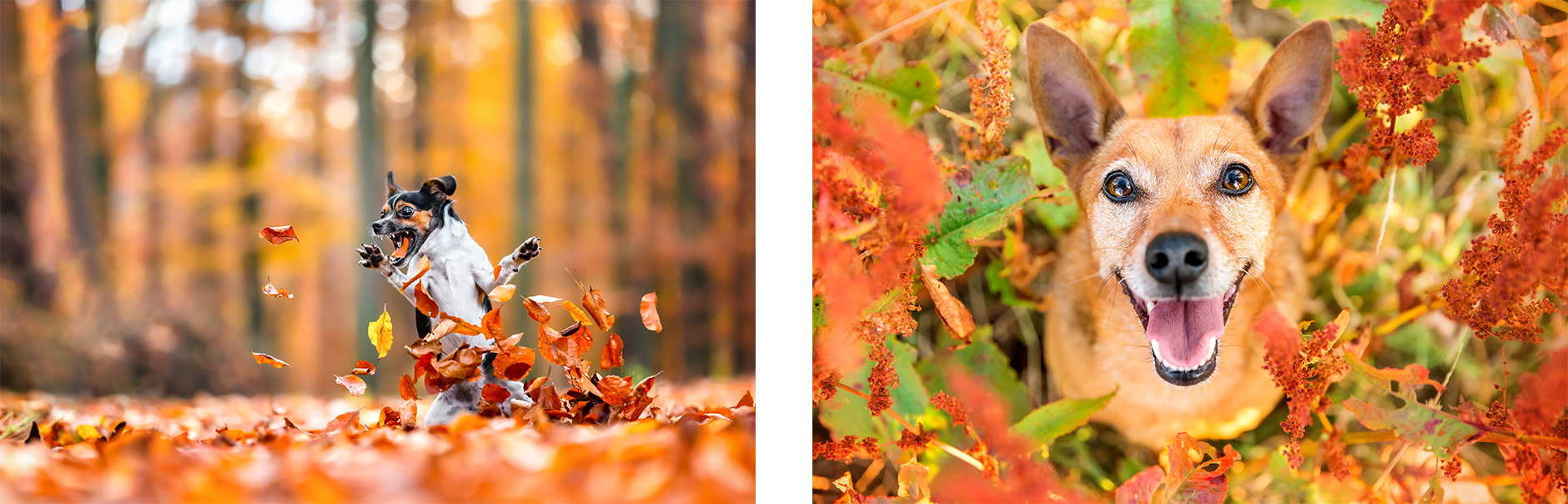
Book project? That sounds exciting. What is it all about?
In autumn, the book Hundefotografie - So setzt du deine Fellnase liebevoll in Szene (Dog Photography – How to Put a Fuzzy Nose in the Scene) will be published by Rheinwerk Verlag. Together with my co-authors Sarah Stangl and André Bauer, we give countless useful tips. My CG2700S has given me the certainty that I have delivered my pictures to the publisher in perfect quality.
Where do you go from here?
سننتقل قريبًا من براندنبورغ إلى شرق وستفاليا أو منطقة فيسربيرجلاند. في الواقع، قمنا بتفكيك شقتنا وأردنا السفر عبر أوروبا لمدة عام بحافلة فولكس فاجن الخاصة بنا. ثم جاء كوفيد. لم يتم استبعاد الفكرة تمامًا بعد. على أي حال، أود أن أكون أكثر تنقلًا في المستقبل وأن أشمل الدول المجاورة. تعد عربة التخييم الخاصة بنا القاعدة المثالية لذلك. أريد أيضًا توسيع قناتي على YouTube.
نصيحة: أماكن غير عادية
يمكن أيضًا تربية الكلاب خارج الطبيعة. تأكد من الحصول على إذن من مالك العقار.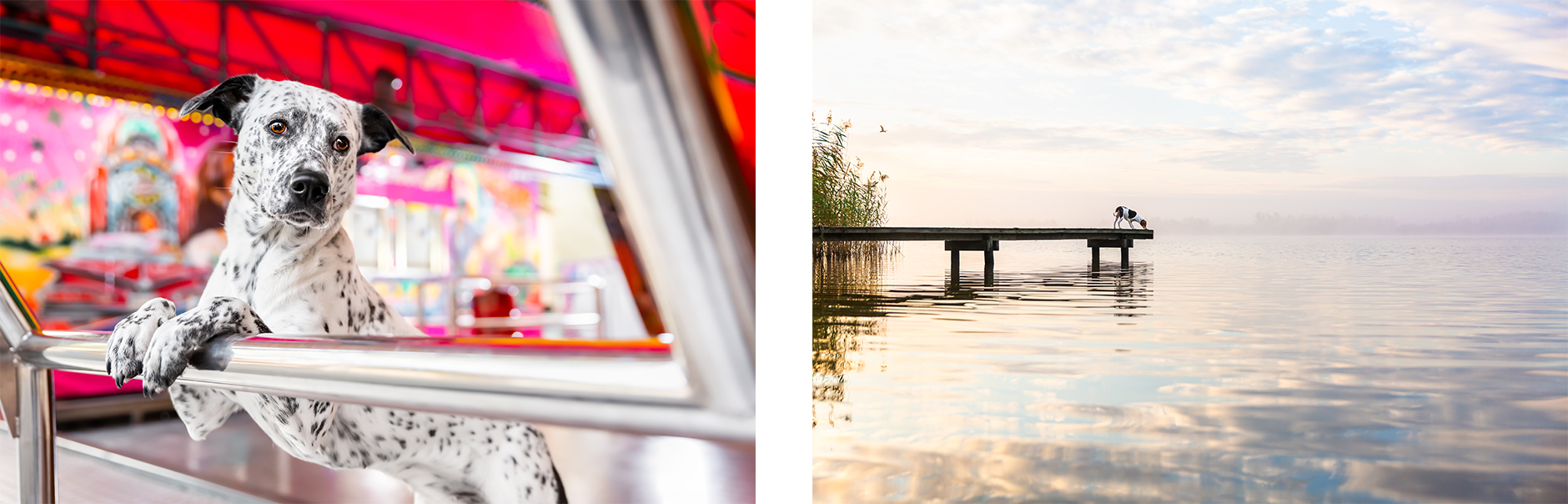
|
المنتج المنتشرطابعة ColorEdge CG2700S |
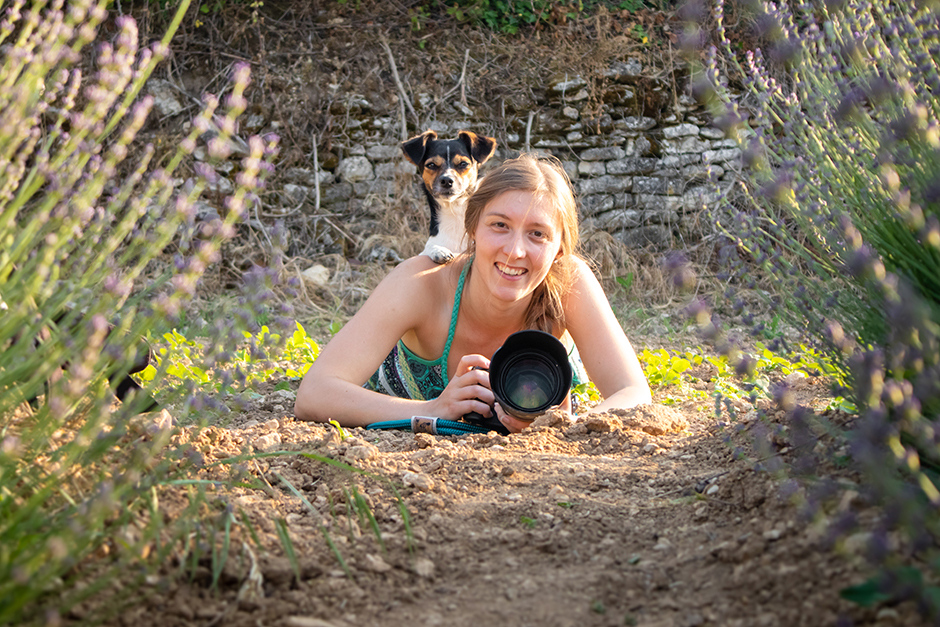 نبذة عن ديانا ميهنر